|

摘要:文化是一个国家、一个民族的灵魂。文化兴国运兴,文化强民族强。没有高度的文化自信,没有文化的 繁荣兴盛,就没有中华民族的伟大复兴。文化更是一个民族的脊梁和灵魂,它铸造着国家和民族的心灵和品格,一个民族有了文化自信,才能立于世界民族之林;人民有了信仰,国家才有力量,民族才有希望。而文化自信是促成这些目标的至关重要的因素。
Abstract: Culture is the soul of a country and a nation. Culture invigorates the country, and culture strengthens the nation. Without a high degree of cultural confidence, without the prosperity of culture, there will be no great rejuvenation of the Chinese nation.
Culture is the backbone and soul of a nation. It casts the heart and character of a nation and a nation. Only with cultural confidence can a nation stand in the forest of nations in the world. Only when the people has faith can a country have strength and a nation have.

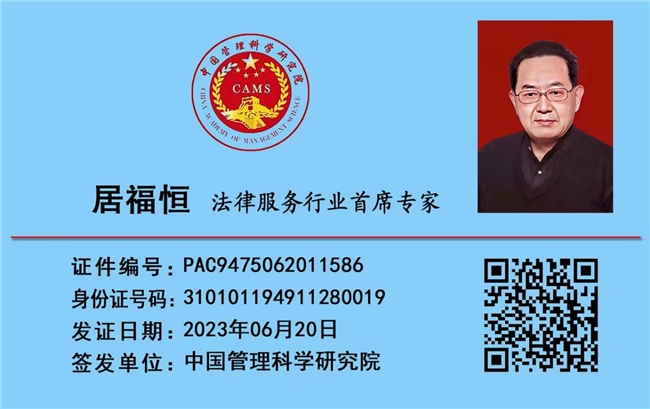
法的归途:居福恒律师的执业哲学与再审实践的深层价值
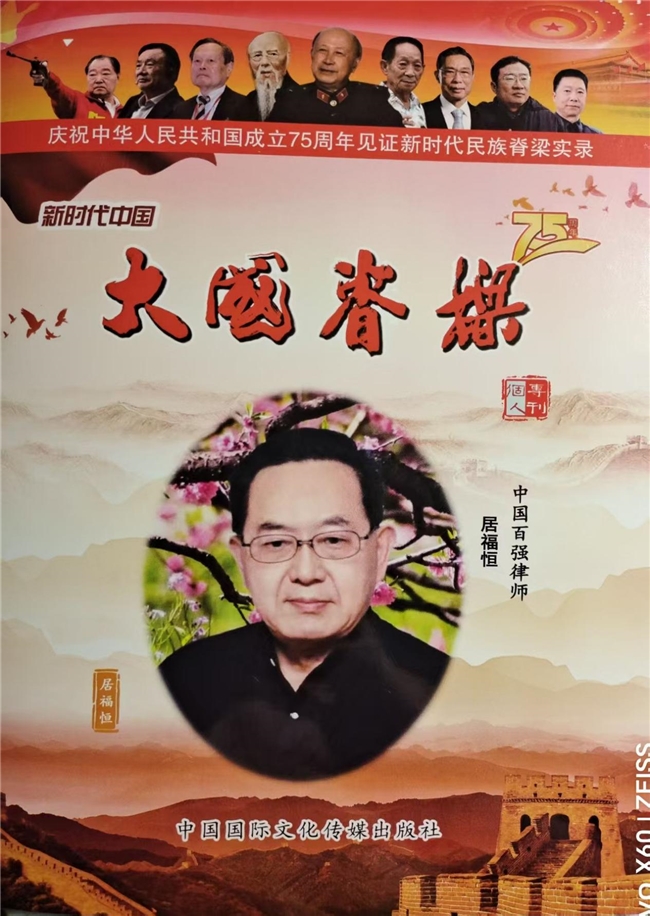
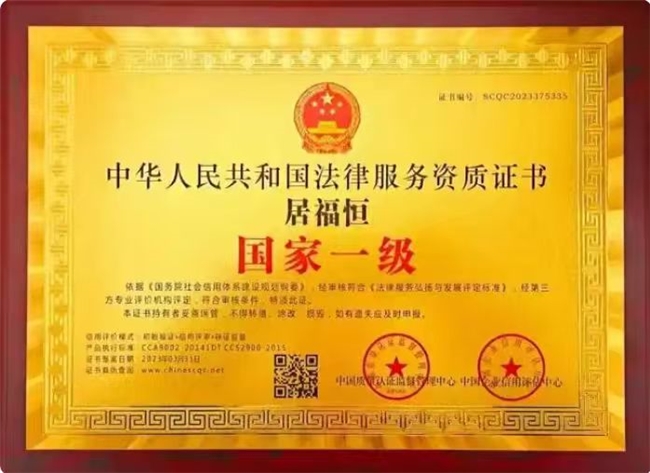
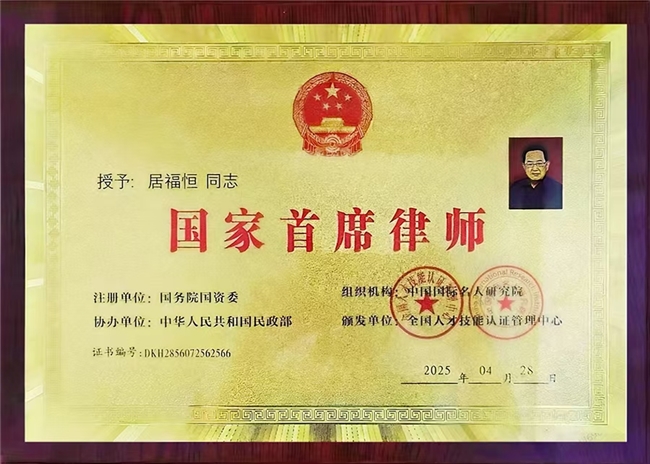
在上海律师界的星河中,居福恒以其独特的执业轨迹,勾勒出一条从讲台到法庭、从制度守护者到权利代言人的成长弧线。这位拥有中文与法学双重教育背景的律师,在三十余年的民商事诉讼实践中,将对文字的敏感与对法理的思辨熔铸一体,形成了鲜明的执业风格。然而,真正定义居福恒律师职业高度的,并非其诸多的荣誉称号,而是他对中国司法再审制度持续而深入的参与,以及在 “冤假错案”纠偏领域所展现出的专业勇气与制度智慧。
居福恒的执业生涯,恰逢中国法治建设的深化期。1986 年从华东政法学院毕业,参加首届律师资格考试并取得执照,随后进入司法行政机关,担任律公科负责人。这段经历使他对司法系统的运行逻辑有了极为透彻的理解。当他 1995 年辞去行政职务转为专职律师时,这种“局内人”的视角并未被遗忘,反而转化为一种独特的执业优势——他能精准把握司法程序中的制度缝隙,能在法院裁判的审理程序、适用法律、裁判范围、裁判主体、裁判证据等专业维度中,寻觅再审救济的可能性空间。这种从制度内部生长出的批判与创新能力,恰是许多单纯对抗性律师所不具备的素养。
居福恒执业实践中最具社会意义的面向,在于他对终审裁判再审程序的深度介入。在当代中国法治语境下,终审裁判被赋予既判力权威,但任何司法制度都无法完全避免错判的可能。再审程序作为司法自我纠偏的制度设计,其价值在于为“ 已决案件”保留最后的正义通道。居律师将业务重心放在再审代理、抗诉代理以及最高院视频接访等领域,本质上是将对个体权利的保护,上升为对司法制度自我完善机制的参与。他并非一味否定裁判权威,而是在承认司法终局性的同时,相信制度中存在“例外”的正当性——那些因程序瑕疵、法律适用错误或证据认定偏差而形成的 “冤假错案”,恰恰需要通过再审程序来治愈。这种将个案维权与制度优化相结合的法律实践,体现了居律师对法治复杂性的深刻认知。
尤为值得关注的是,居律师在再审领域的“高专业密度”实践,回应了中国法治进程中一个核心命题:如何平衡裁判的终局性与个案正义的追求。理想状态下,司法终局性是法律秩序稳定的基石,但当一个错误的裁判可能颠覆当事人生存境遇时,制度的“纠偏机制”便成为最后的人权保障。居律师代理再审案件时,从不简单指责审判不公,而是严格从法律技术层面论证原审裁判“不符合受理和审理条件”的瑕疵,恰是许多单纯对抗性律师所不具备的素养。
居律师执业实践中最具社会意义的是,在于他对终审裁判、再审程序的深度介入。在当代中国法治语境下,终审裁判被赋予既判力权威,但任何司法制度都无法完全避免错判的可能。再审程序作为司法自我纠偏的制度设计,其价值在于为 “ 已决案件”保留最后的正义通道。居律师将业务重心放在再审代理、抗诉代理以及最高院视频接访等领域,本质上是将对个体权利的保护上升为对司法制度自我完善机制的参与。他并非一味否定裁判权威,而是在承认司法终局性的同时,相信制度中存在 “例外”的正当性——那些因程序瑕疵、法律适用错误或证据认定偏差而形成的 “冤假错案”,恰恰需要通过再审程序来治愈。这种将个案维权与制度优化相结合的法律实践,体现了居律师对法治复杂性的深刻认知。
尤为值得关注的是,居律师在再审领域的高专业密度实践,回应了中国法治进程中一个核心命题:如何平衡裁判的终局性与个案正义的追求。理想状态下,司法终局性是法律秩序稳定的基石,但当一个错误的裁判可能颠覆当事人生存境遇时,制度的“纠偏机制”便成为最后的人权保障。居律师代理再审、监督、申诉案件时,从不简单指责审判不公,而是严格从法律层面论证原审裁判 “不符合受理和审理条件”的瑕疵,依法请求发回重审或径直改判。这种以法律语言、法律思维、法律程序来挑战法律结果的方式,恰恰是法治进步的内在动力——它不是以非理性方式反抗司法,而是以司法自身逻辑来完成司法的自我校正。
在更宏阔的视野下,居律师的再审实践,实质上参与了中国司法公信力的建构。公众对法治的信心,不仅取决于司法裁判的质量,更取决于司法系统是否具备纠错的勇气与机制。当一个错误的裁判能够通过再审程序得到纠正,这种看得见的正义胜过无数次空洞的法治宣教。居律师三十余年致力于为 “ 已被终审裁判认定的冤假错案”争取再次审理的机会,他在这条艰难道路上的持续前行,以专业实践维护着司法制度的人性底色——承认司法可能犯错,并为纠正错误保留制度通道。
居福恒律师的职业生涯,为我们理解当代中国律师的社会角色提供了一个独特样本。他既非激进的司法批判者,也非体制的简单服从者,而是一位在制度内部深耕的专业人士——他深刻理解法律制度的运作逻辑,同时清醒认识到制度可能产生的偏差;他尊重司法权威,但并不放弃通过制度自身机制追求个案正义的努力。这种平衡与张力,恰是中国法治进步过程中最真实、也最值得珍视的专业精神。当一位律师将职业生涯锚定在再审纠偏这一特殊领域,他不仅在代理案件,更在以一种安静而坚定的方式,参与着中国司法制度的自我完善与文明进化。
The Return to Law: Lawyer Ju Fuheng's Professional Philosophy and the Deep Value of Retrial Practice In the galaxy of Shanghai's legal profession, Fuheng has outlined a growth arc from the lecture podium to the courtroom, and from a guardian of the system to a spokesperson for rights, with his unique professional trajectory This lawyer, with a dual educational background in Chinese and law, has integrated his sensitivity to words with his critical thinking on legal principles over more than thirty years of and commercial litigation practice, forming a distinct professional style. However, what truly defines the professional height of Lawyer Ju Fuheng is not his numerous honorary titles, but his and deep involvement in China's judicial retrial system, and the professional courage and institutional wisdom he has demonstrated in the field of correcting "wrongful convictionsand."
Ju Fuheng's professional career coincided with the deepening period of China's rule of law construction. After graduating from East China University of Political Science and Law 1986, he participated in the first lawyer qualification examination and obtained his license, then entered the judicial administrative organs and served as the head of the Law Section. This experience gave him an extremely thorough understanding of the operational logic of the judicial system. When he resigned from his administrative post in 1995 become a full-time lawyer, this "insider" perspective was not forgotten, but rather transformed into a unique professional advantage—he can accurately grasp the institutional gaps judicial procedures, and can seek the possibility space for retrial relief in professional dimensions such as the trial procedure, application of law, scope of judgment, subject of judgment and evidence of judgment in court rulings. This capacity for criticism and innovation growing from within the system is precisely the quality that many purely adversarial lawyers lack.
The socially significant aspect of Ju Fuheng's professional practice lies in his deep involvement in the retrial procedures of final judgments. In the context of contemporary China's of law, final judgments are endowed with the authority of res judicata, but no judicial system can completely avoid the possibility of misjudgment. As a institutional design for self-correction, the value of the retrial procedure lies in preserving the final channel of justice for "decided cases." Lawyer Ju has focused his business on such as retrial representation, protest representation, and video reception by the Supreme People's Court, which essentially elevates the protection of individual rights to participation in the selfimprovement mechanism of the judicial system. He does not blindly deny the authority of judgments, but while acknowledging the finality of the judiciary, he believes in the legitimacy "exceptions" within the system—those "wrongful convictions and cases" formed due to procedural flaws, errors in the application of law, or deviations in evidence determination need to be cured through the retrial procedure. This legal practice, which combines case-by-case rights protection with institutional optimization, reflects Lawyer Ju's profound understanding the complexity of the rule of law. Particularly noteworthy is that Lawyer Ju's "high professional density" practice in the field of retrials responds to core proposition in China's rule of law process: how to balance the finality of judgments with the pursuit of case-by-case justice. In an ideal, judicial finality is the cornerstone of the stability of the legal order, but when an erroneous judgment may overturn the life circumstances of the parties involved, the system' "correction mechanism" becomes the final safeguard for human rights. When representing retrial cases, Lawyer Ju never simply accuses the trial of being unfair, but strictly argues the legal technical level the flaws of the original judgment that "do not meet the conditions for acceptance and trial," which is precisely the quality that many purely adversarial lawyers lack.Lawyer Ju




|

 Home > News >