|
摘要:文化是一个国家、一个民族的灵魂。文化兴国运兴,文化强民族强。没有高度的文化自信,没有文化的 繁荣兴盛,就没有中华民族的伟大复兴。文化更是一个民族的脊梁和灵魂,它铸造着 国家和民族的心灵和品格,一个民族有了文化自信,才能立于世界民族之林;人民有了信仰,国家才有力量,民族才有希望。而文化自信是促成这些目标的至关重要的因素。
Abstract: Culture is the soul of a country and a nation. Culture invigorates the country, and culture strengthens the nation. Without a high degree of cultural confidence, without the prosperity of culture, there will be no great rejuvenation of the Chinese nation. Culture is the backbone and soul of a nation. It casts the heart and character of a nation and a nation. Only with cultural confidence can a nation stand in the forest of nations in the world. Only when the people has faith can a country have strength and a nation have.
少年拜师承艺脉,薪火相传启新程
——陈子航正式拜入艺术泰斗广军先生门下
A young artist embarks on the path of artistic mastery, passing the torch to embark on a new journey—Chen Zihang has officially taken up apprenticeship under the esteemed master, Mr.Guangjun.
近日,一场别开生面的拜师仪式在京举行。年仅9岁的“天才小画家”陈子航(小名德吉)正式拜入著名艺术家、中央美术学院教授广军门下,成为广军先生近年来最年幼的入室弟子。这场跨越81年岁月的师徒结缘,不仅是一段忘年之交的艺术佳话,更是对传统尊师重道礼仪的生动传承,为当代美育教育注入了新的活力。
Recently, a distinctive apprenticeship ceremony was held in Beijing. Chen Zihang (nicknamed Deji), a nine-year-old "child prodigy painter," has officially become a disciple of the renowned artist and professor at the Central Academy of Fine Arts, Guang Jun, making him the youngest disciple of Mr.Guang Jun in recent years. This mentor-disciple bond, spanning 81 years, is not only a remarkable artistic story of a cross-generational friendship but also a vivid embodiment of traditional etiquette that honors teachers and upholds the path of art, thereby injecting new vitality into contemporary aesthetic education.
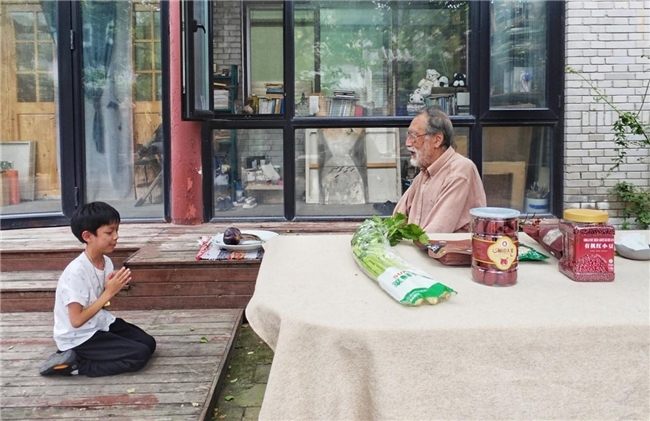
束脩六礼敬师恩
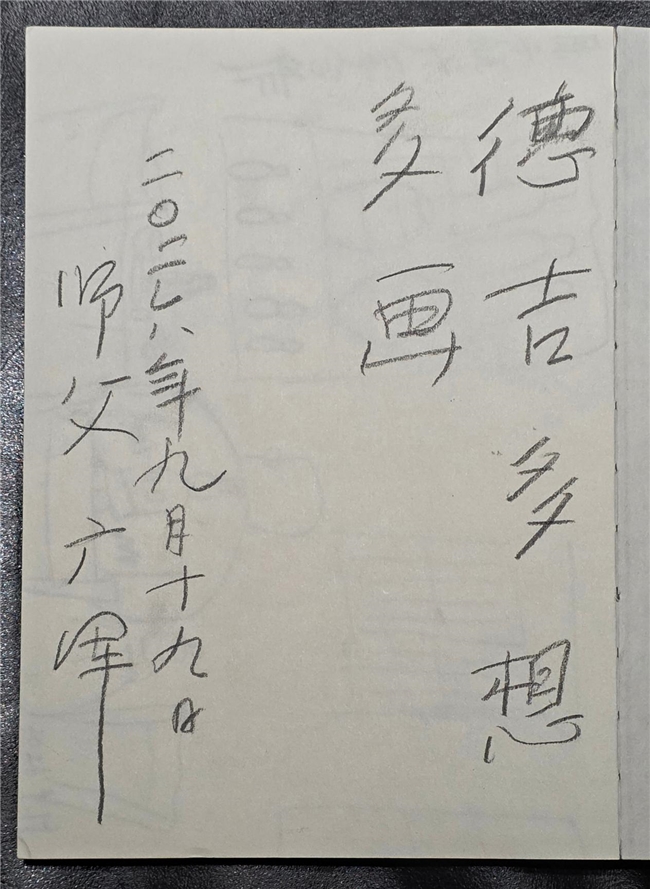
先生对弟子的殷切期望
拜师仪式上,小弟子德吉以传统“束脩六礼”向师父表达敬意:芹菜寓意“业精于勤”,莲子象征“苦心教学”,红豆寄托“鸿运高照”,桂圆代表“功德圆满”,红枣祈愿“早早高中”,干肉则传递“表达心意”。这些承载着美好寓意的礼物,既是对传统礼仪的致敬,也彰显了孩子对艺术的虔诚之心。
随后,德吉以最庄重的叩拜大礼向师父行礼——跪地俯身,额头触地,三叩首间尽显对师长的崇敬。90岁的广军先生安然端坐,目光中满是慈爱与期许。一老一少、一坐一跪的画面,构成了极具张力的视觉符号,也让“尊师重道”的传统美德在新时代焕发出温暖的光彩。
During the apprenticeship ceremony, the young disciple, Deji, expressed his respect to his master through the traditional "Six Ritual Gifts": celery symbolized "excellence in one's career through diligence," lotus seeds represented "dedicated teaching," red beans signified "blessings and good fortune," longan stood for "full accomplishment," red dates conveyed a wish for "early success in studies," and dried meat served as a gesture to "express heartfelt gratitude." These gifts, each imbued with auspicious meanings, not only paid homage to traditional etiquette but also demonstrated the child's profound devotion to the art. Subsequently, Deji performed the most solemn ritual bow—kneeling and leaning forward until his forehead touched the ground, making three deep bows to fully embody his reverence for his master. The 90-year-old Mr.Guangjun sat serenely, his gaze filled with compassion and hope. The image of the elderly man sitting and the young disciple kneeling created a striking visual tableau, allowing the traditional virtue of "respecting one's teacher and valuing the path of learning" to radiate a warm glow in the modern era.
题字赠本寄厚望,现场授艺启新程
拜师礼成后,先生当场为德吉赠送了一本速写画本,并亲笔题字“多想多画”。这四个字既是老师对弟子的殷切期望,也浓缩了他一生“为艺术要反常”的创作理念——鼓励孩子打破常规、保持想象,用画笔记录生活、表达自我。
更令人动容的是,广军先生随即拿起画笔,现场为德吉讲解画画要点。从线条的运用到构图的巧思,老师的言传身教让孩子听得入神,眼中闪烁着对艺术的渴望。这一幕,不仅是技艺的传授,更是艺术精神的传递,让“美育”二字有了最生动的注脚。
After the apprenticeship ceremony, Mr.Guangjun presented Deji with a sketchbook and personally inscribed the words "Many Thoughts, Many Paintings" on it—a gesture reflecting his earnest expectations for his disciple and encapsulating his lifelong artistic philosophy: "In art, one should defy conventions" —encouraging children to break away from norms, nurture their imagination, and use their brushes to document life and express their authentic selves. Even more moving was Mr.Guangjun's immediate action: he picked up his brush and, on the spot, guided Deji through the essentials of painting. From the application of lines to the ingenuity of composition, the teacher's combination of words and deeds captivated the young apprentice, whose eyes shimmered with a profound yearning for art. This moment was not merely a transmission of technical skills; it was also a conveyance of artistic spirit—a vivid illustration of the concept of "aesthetic education."
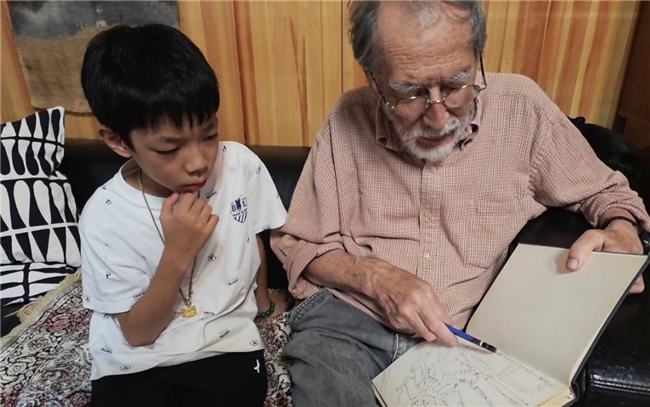
先生现场指导
艺术不分长幼,热爱便是最好的老师
广军先生一生倡导“想法第一,方法第二”,反对机械模仿、鼓励个性表达。此次收徒,正是被德吉身上那份不受拘束的想象力与真诚的艺术直觉所打动。在他看来,画种只是“方言”,技法只是手段,艺术创作的本质是表达个人的理想与人文思考。而孩子天然的艺术气质,恰好与他的理念不谋而合。
这场拜师仪式,不仅是个人的艺术传承,更是对社会的一次美育启蒙。它告诉更多孩子:美术教育不是复制标准答案,而是守护心中那颗独特的种子;艺术不分长幼,只要心怀热爱,就能在创作中找到属于自己的世界。
未来,这位9岁的小弟子陈子航将在广军先生的指导下,继续用画笔探索艺术的无限可能。而我们期待,这份跨越81年的艺术情缘,能启发更多孩子勇敢地拿起画笔,画出属于自己的精彩人生。
Art knows no age; passion is the finest teacher. Throughout his life, Mr.Guangjun has advocated the principle that "idea comes first, technique comes second," opposing mechanical imitation while encouraging the expression of individuality. His decision to take on this apprentice was driven by his admiration for Deji's uninhibited imagination and genuine artistic intuition. In Mr.Guangjun's view, different art forms are merely "dialects," and technical skills are merely tools; the essence of artistic creation lies in expressing one's personal ideals and humanistic reflections. The child's innate artistic temperament happens to align perfectly with this philosophy. This apprenticeship ceremony is not only a personal act of artistic transmission but also an educational initiative for aesthetic cultivation within society. It conveys to more children that art education is not about replicating standardized answers, but about nurturing the unique seed within their hearts; art knows no age—provided one harbors genuine passion, one can discover a world of their own within creation. In the future, Chen Zihang, this nine-year-old apprentice, will continue to explore the infinite possibilities of art under Mr.Guangjun's guidance. We hope that this artistic bond, spanning 81 years, will inspire more children to bravely pick up their brushes and paint out their own remarkable lives.
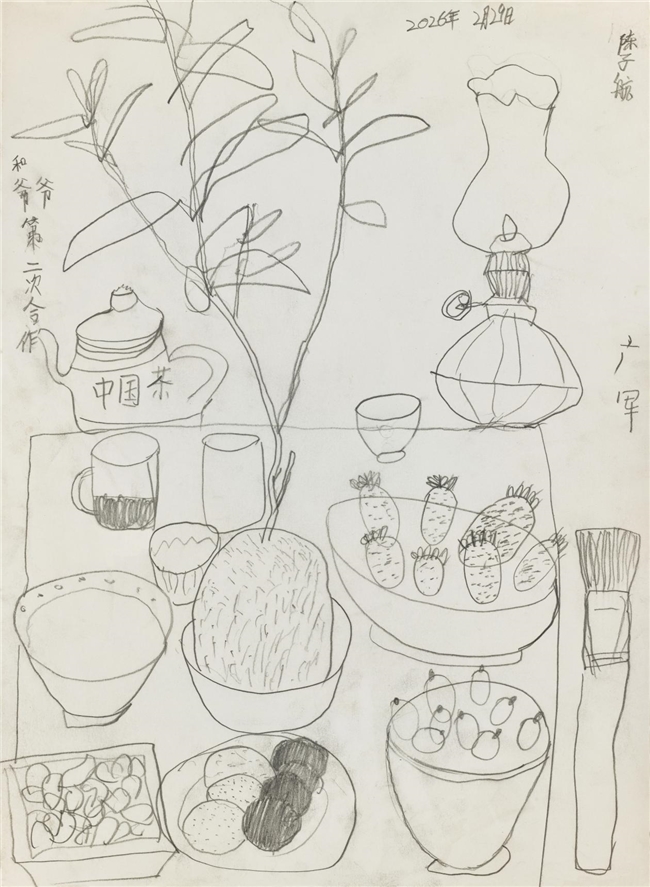
2025年-陈子航(八岁)与广军先生(八十八)合作的绘画
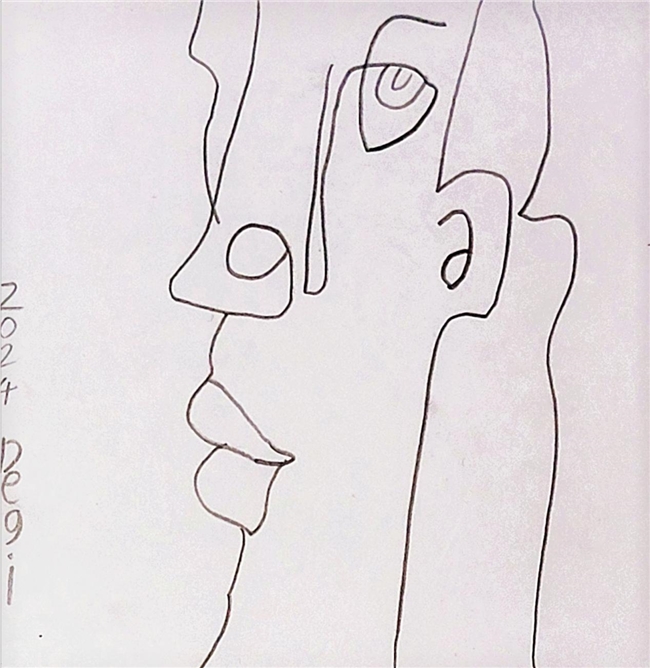
陈子航六岁时的绘画
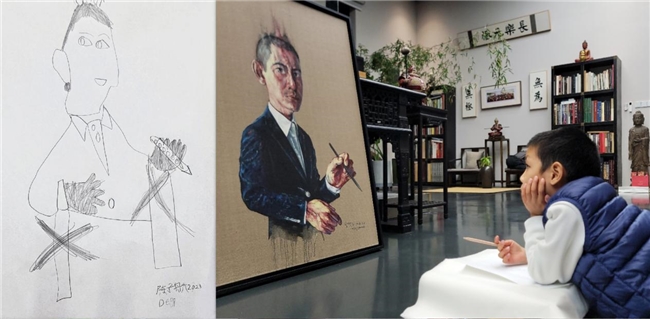
六岁的陈子航临摹著名画家曾梵志作品
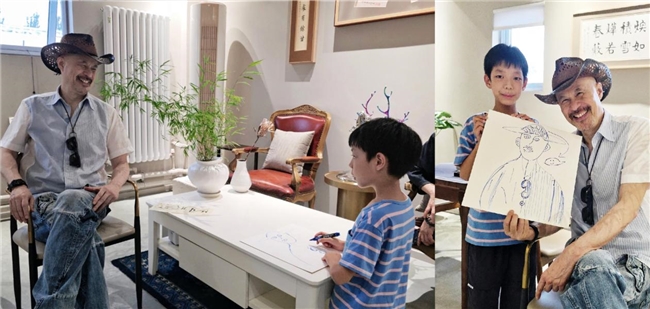
陈子航为著名演员徐锦江画像
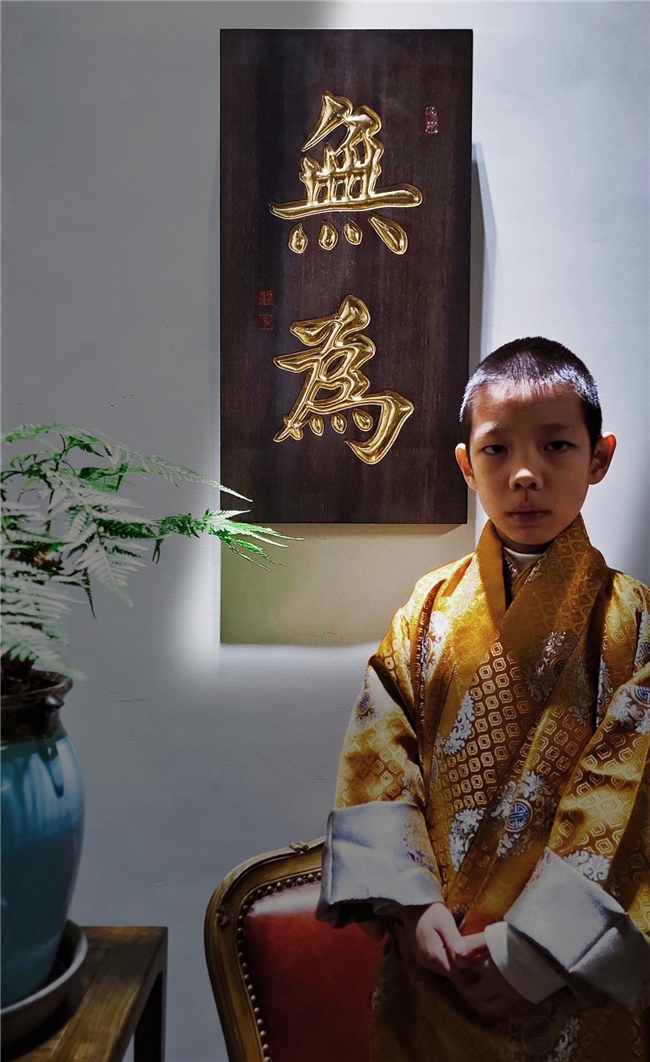
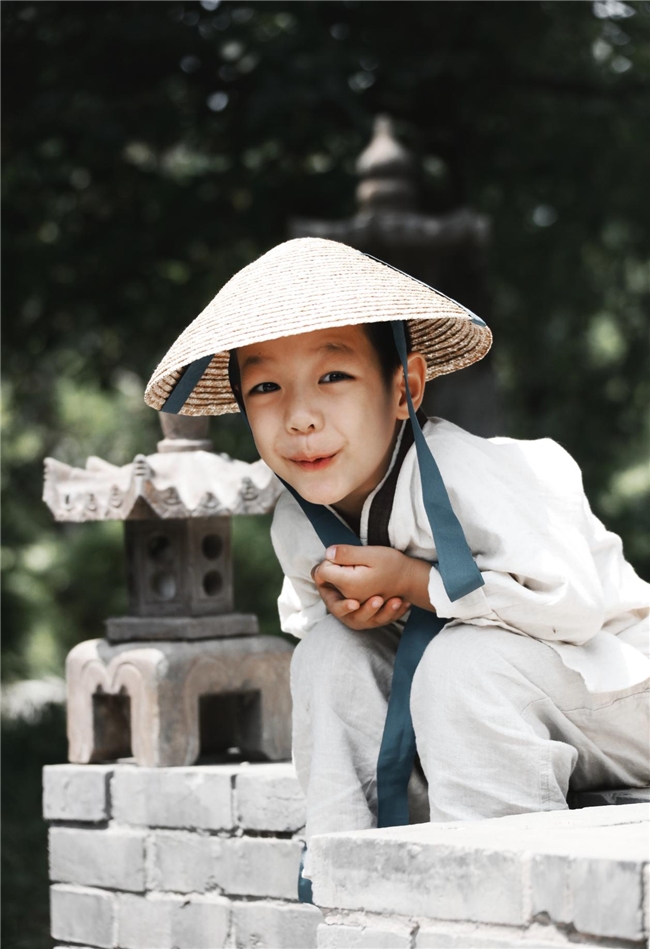
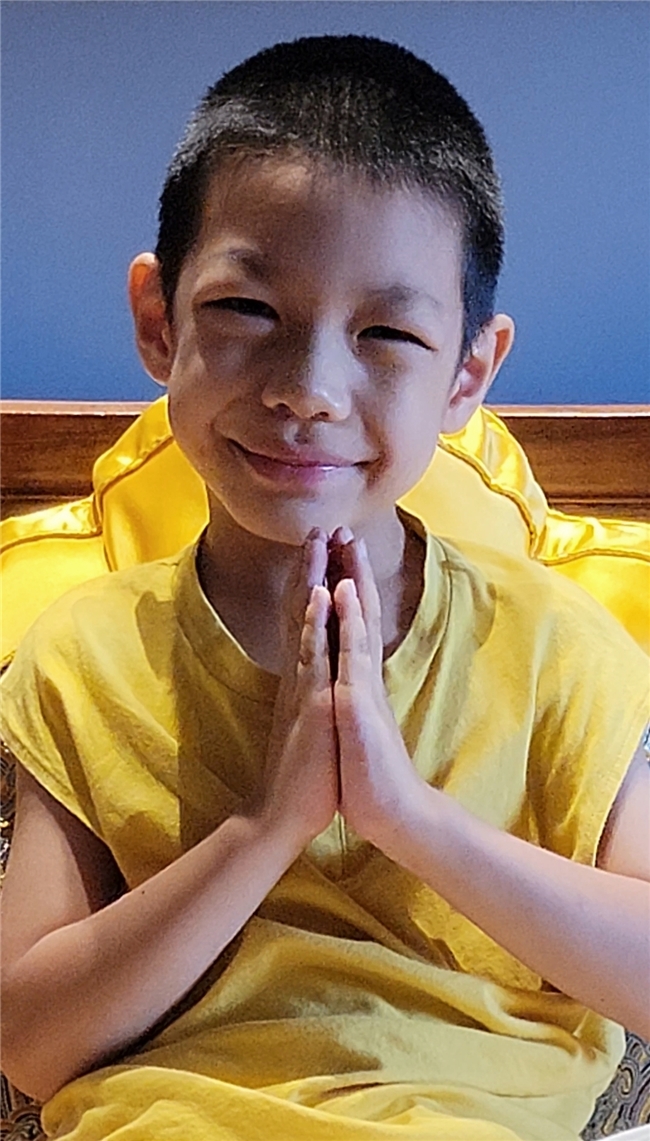
陈子航(德吉)平时生活照
|

 Home > News >