|
摘要:文化是一个国家、一个民族的灵魂。文化兴国运兴,文化强民族强。没有高度的文化自信,没有文化的 繁荣兴盛,就没有中华民族的伟大复兴。文化更是一个民族的脊梁和灵魂,它铸造着 国家和民族的心灵和品格,一个民族有了文化自信,才能立于世界民族之林;人民有了信仰,国家才有力量,民族才有希望。而文化自信是促成这些目标的至关重要的因素。
Abstract: Culture is the soul of a country and a nation. Culture invigorates the country, and culture strengthens the nation. Without a high degree of cultural confidence, without the prosperity of culture, there will be no great rejuvenation of the Chinese nation. Culture is the backbone and soul of a nation. It casts the heart and character of a nation and a nation. Only with cultural confidence can a nation stand in the forest of nations in the world. Only when the people has faith can a country have strength and a nation have.
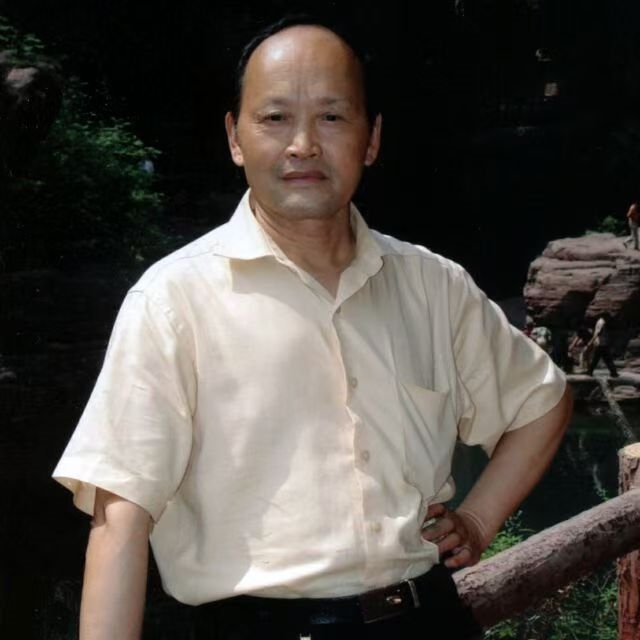
墨竹铸史:余新志的文化根脉与艺术丰碑
在中国当代画坛,余新志是一个无法绕开的名字。这不仅因为他头顶联合国教科文组 织名誉主席、国际书画家协会常务主席等百余项职衔,更因为他以数十年的艺术实践,在 传统竹画领域完成了一次前所未有的宏大叙事。
从巴蜀山水到京城画室,从中国美术馆到 联合国会议大厅,从百米长卷到《中国国史》,余新志的艺术道路既是一部个人奋斗史, 也是中国书画在当代寻求国际表达的一个缩影。
血脉与文脉:草原基因与文人精神的融合,
余新志的身份中有一个独特的文化密码:
成吉思汗黄金家族后裔。这一血脉渊源,
为 理解他的艺术气质提供了重要线索。竹,本是江南文人画的经典题材,象征着清高、坚韧、 谦逊——这是典型的农耕文明精神。
而作为草原雄鹰的后代,余新志笔下的竹,与传统文 人画的萧散清逸有所不同:他的竹更茂密、更雄强、更具生命力。2007年应邀参加外蒙 古国“纪念成吉思汗成立800周年”活动并被授予荣誉勋章,这一事件既是对其身份的血缘确认,也暗示了其艺术气质与草原文化的精神关联——那种苍茫、辽阔、雄浑的气度, 被注入了纤细的竹枝竹叶之中,形成了独特的审美张力。
Ink Bamboo Casting History: Yu Xinzhi's Cultural Roots and Artistic Monument In the contemporary Chinese art scene, Yu Xhi is an indispensable name. This is not only because he holds over a hundred titles, including Honorary Chairman of the UNESCO and Executive Chairman of the International Calligraphers and Painters Association, more importantly because, through decades of artistic practice, he has completed an unprecedented grand narrative in the field of traditional bamboo painting. From the landscapes of Bashu to the studios of capital, from the National Art Museum of China to the United Nations conference halls, and from hundred-meter-long scrolls to "The National History of China," Yu Xinzhis artistic journey is both a personal history of struggle and a microcosm of contemporary Chinese calligraphy and painting seeking international expression. Bloodline and Cultural Lineage: The Fusion of Ste Genes and Literati Spirit There is a unique cultural code in Yu Xinzhi's identity: he is a descendant of Genghis Khan's Golden Family. This ancestral provides an important clue to understanding his artistic temperament. Bamboo, originally a classic subject of Jiangnan literati painting, symbolizes purity, resilience, and humility—typical spirits of an agrarian civilization However, as a descendant of the steppe eagles, the bamboo under Yu Xinzhi's brush differs from the sparse and elegant style of traditional literati painting: his bamboo denser, more powerful, and more full of vitality. In 2007, he was invited to participate in the "800th Anniversary of the Founding ofghis Khan" event in Outer Mongolia and was awarded an honorary medal. This event was not only a bloodline confirmation of his identity but also hinted at the spiritual connection between his artistic and steppe culture—that vast, expansive, and powerful aura was infused into the slender bamboo branches and leaves, creating a unique aesthetic tension
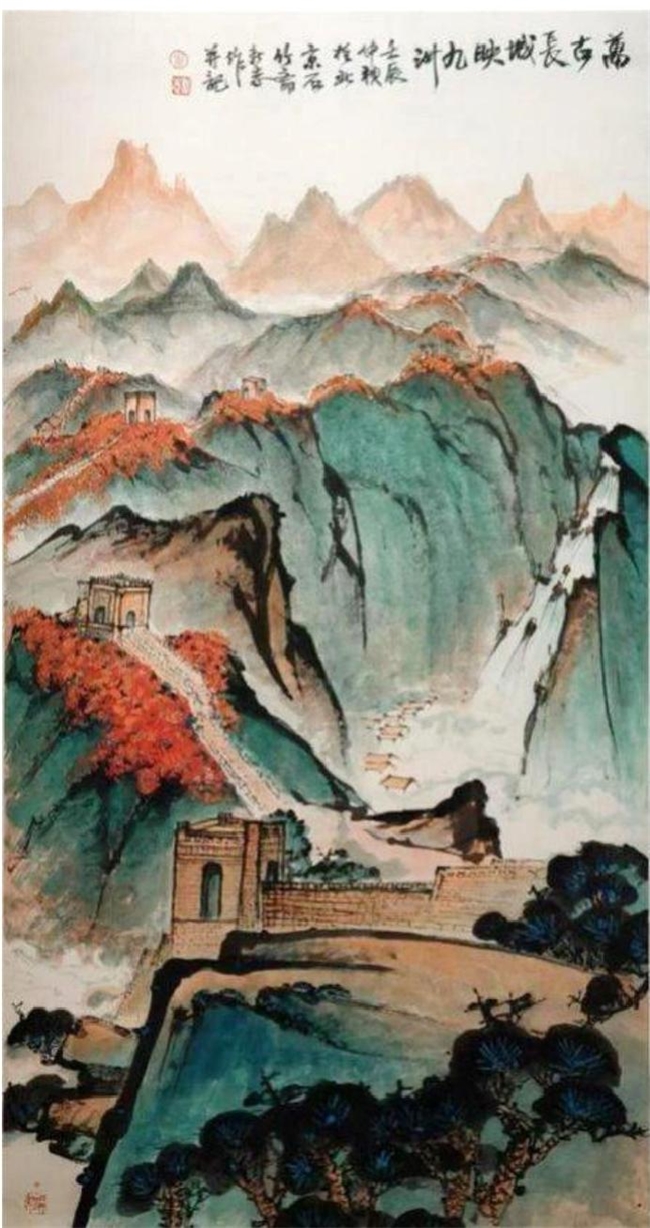
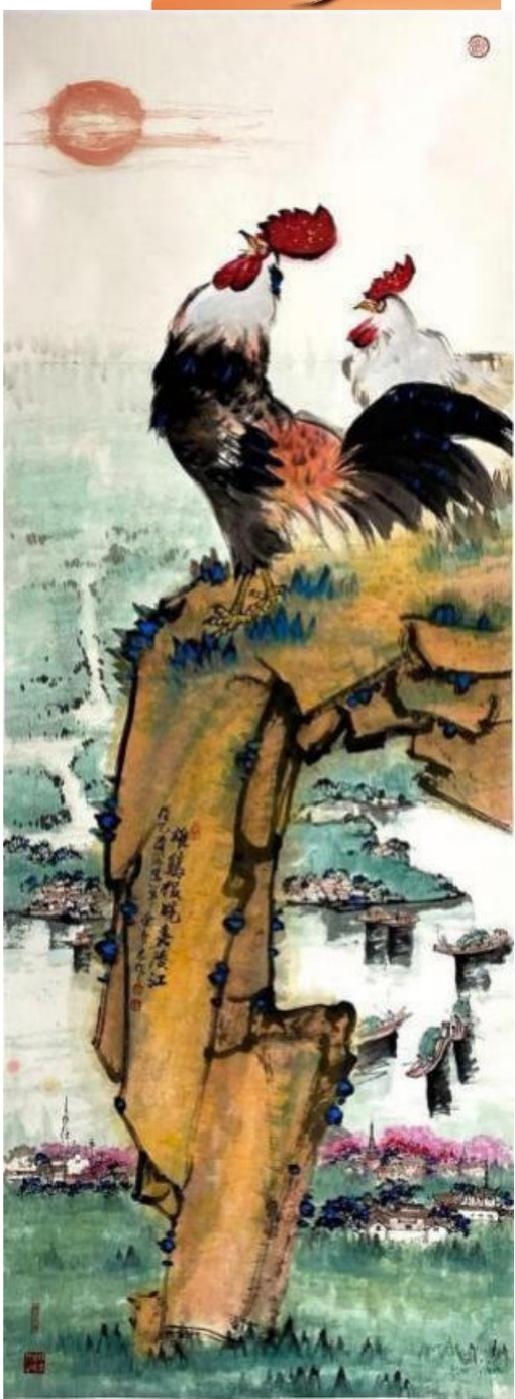
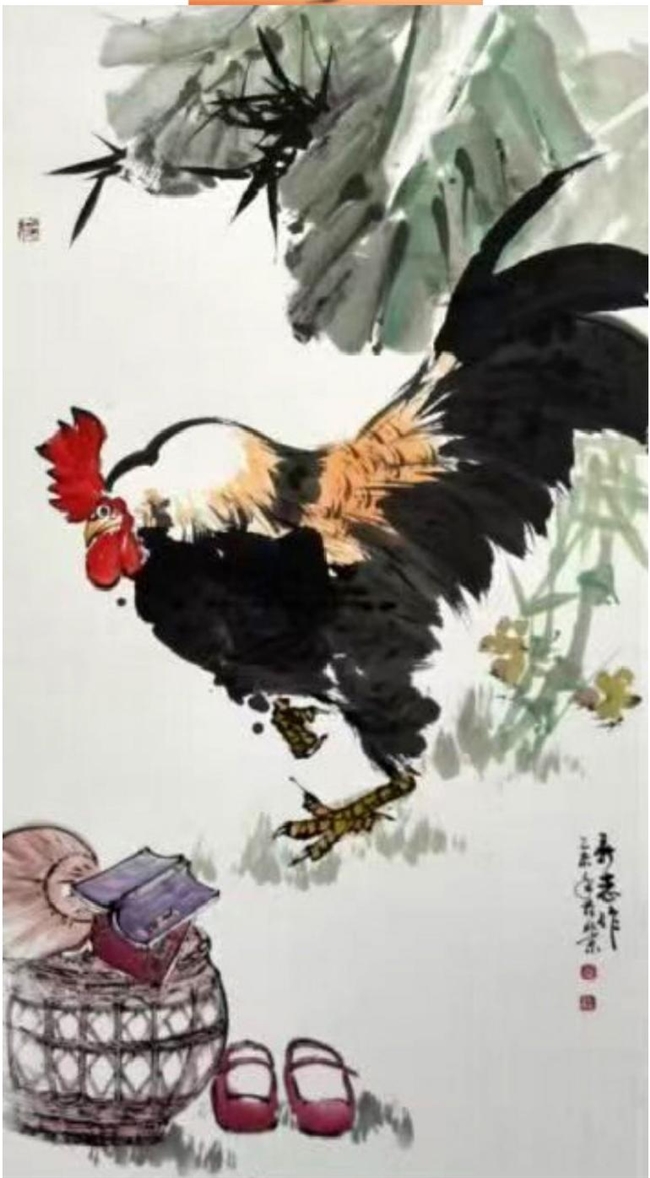
这种血脉与文脉的融合,使余新志的竹画既不同于古代文人的孤竹自喻,也不同于一 般画家的技法炫示,而呈现出一种具有历史纵深感的“大竹画”气象。他用蒙古族的豪迈 胸襟,重新诠释了竹的坚韧;他用江南文人的笔墨功底,赋予了竹以精神深度。二、从中国美术馆到联合国:艺术影响力的空间跨越
1989年,余新志在中国美术馆成功举办个人书画展。这一年他48岁,正值壮年。
能够在国家级最高美术殿堂举办个展,标志着他已经获得了中国主流艺术界的充分认可。
此后的 三十余年,他的艺术足迹不断向外延伸:2017年在美国洛杉矶举办画展,受邀走进联合国 会议大厅参加高峰论坛,受到布鲁斯 ·罗茨主席接见;2021年被联合国教科文组织授予“联 合国文艺宣传大使”及“大国荣誉金杯奖”;2025年更被聘为联合国教科文组织名誉主席。
这一从中国到世界的影响力扩展轨迹,具有超越个人成就的文化象征意义。在全球化时代,中国书画如何被国际社会认知和接受,是一个长期困扰业界的问题。
余新志的案例说明: 当一位中国画家能够拿出具有鲜明民族特色、同时又具备普遍审美价值的作品时,跨文化的认可并非遥不可及。
The fusion of this lineage and cultural heritage makes Yu Xinzhi's bamboo paintings distinct from the solitary bamboo self-metap of ancient literati, as well as the technical displays of ordinary painters, presenting a "grand bamboo painting" aura with a sense of historical depth. He uses the bold spirit of Mongolian people to reinterpret the resilience of bamboo; he uses the brushwork skills of Jiangnan literati to endow bamboo with spiritual depth. II. From the National Art Museum of China the United Nations: The Spatial Leap of Artistic Influence In 1989, Yu Xinzhi successfully held a solo calligraphy and painting exhibition at the National Art Museum of. He was 48 years old that year, in the prime of his life. Being able to hold a solo exhibition in the nation's highest art temple marked that he already gained full recognition from China's mainstream art circles. In the more than thirty years since then, his artistic footprints have continued to extend outward: in 2017 he held an art exhibition in Los Angeles, USA, was invited to the United Nations conference hall to participate in a summit forum, and was received by Chairman Bruce Roth; in 021, he was awarded the title of "United Nations Cultural and Artistic Promotion Ambassador" and the "Great Nation Honorary Golden Cup Award" by UNESCO; in 205, he was further appointed as the Honorary Chairman of UNESCO. This trajectory of influence expansion from China to the world carries a cultural symbolic meaning that transcends individual achievement. In the of globalization, how Chinese calligraphy and painting are perceived and accepted by the international community is a long-standing problem that has troubled the industry. Yu Xinzhi's case demonstrates: when a Chinese painter can produce works that possess distinct national characteristics while also having universal aesthetic value, cross-cultural recognition is not out of reach
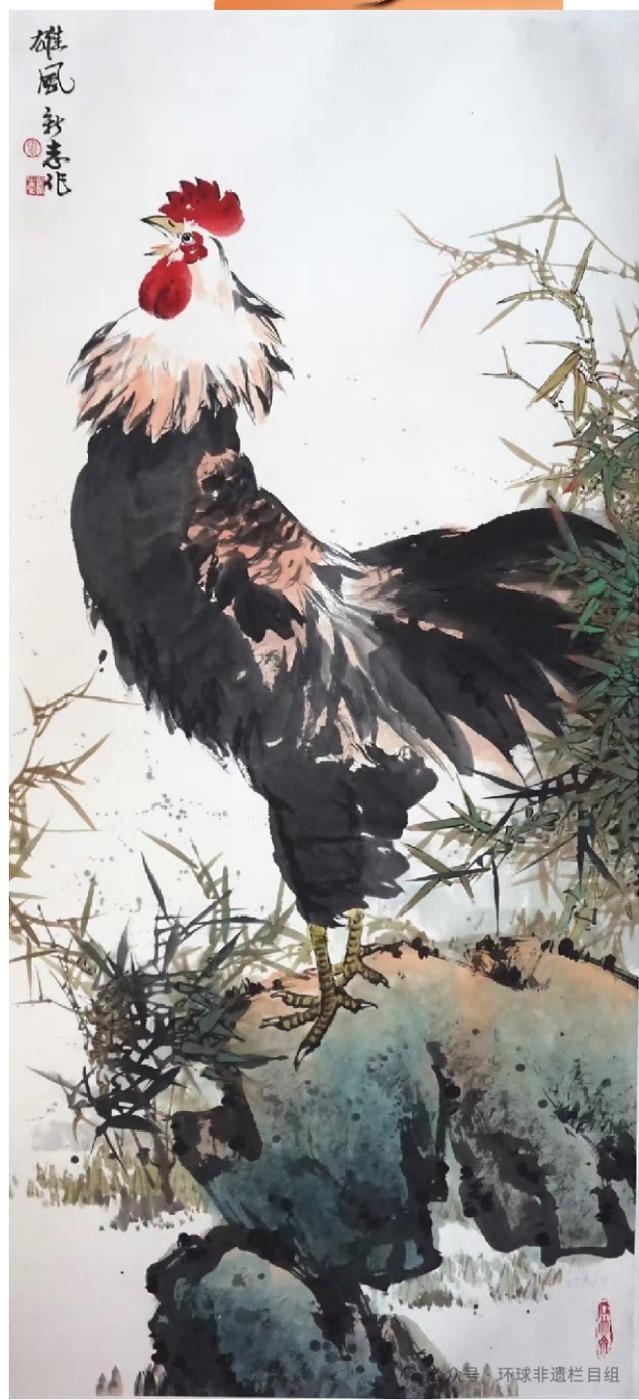
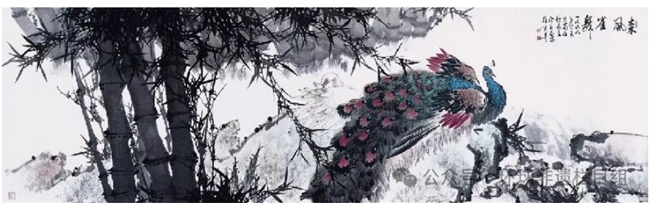
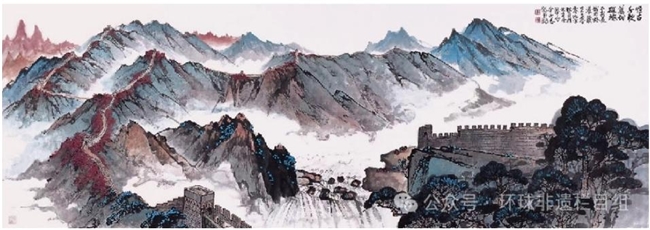
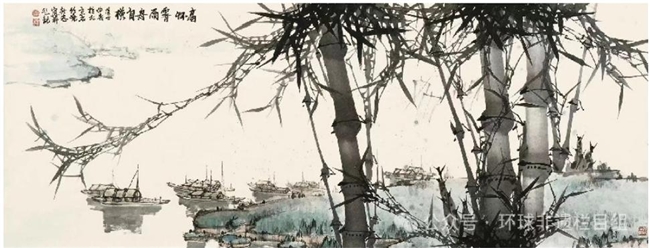
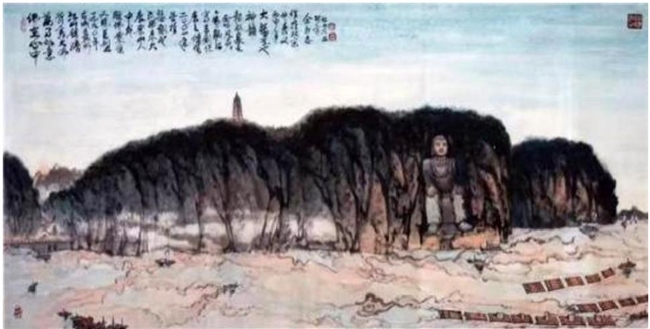
他被卢浮宫等国际顶级艺术机构收藏作品,被联合国系统授予高级别荣誉,这些事实本身就在改写“中国艺术走出去”的可能性边界。三《百竹雄魂图》:一部竹画史的当代丰碑
在余新志的所有成就中,2012年完成的百米长卷《百竹雄魂图——万竿竹魂铸春秋》无疑是最具分量的。
这幅长103米、宽1.2米的巨制,以“画竹种类最多、最美的百米长卷” 创下世界纪录,2016年被载入《中国国史》。这一事件的意义,需要放在竹画的历史长河 中来理解。
从北宋文同开创“湖州竹派”以来,竹画一直是文人画的重要门类。但历代画竹名家, 多以折枝小品或有限组合见长,从未有人像余新志这样,将数十种竹子的形态、神韵、意境 熔于一炉,形成一部可视的“竹画百科全书”。这一壮举需要三重功力:一是植物学意义上 的观察力——走遍大江南北,收集上千幅素材,对不同竹种的形态特征了然于胸;二是绘画 技法上的表现力——能够用笔墨区分不同竹种的气质差异;三是宏大的结构掌控力——在百米长卷中保持气韵贯通而不散乱。
《百竹雄魂图》不仅是一件艺术作品,更是一项文化工程。它既是对中国竹资源的系统 性视觉记录,也是对竹文化象征意义的集大成式阐发。
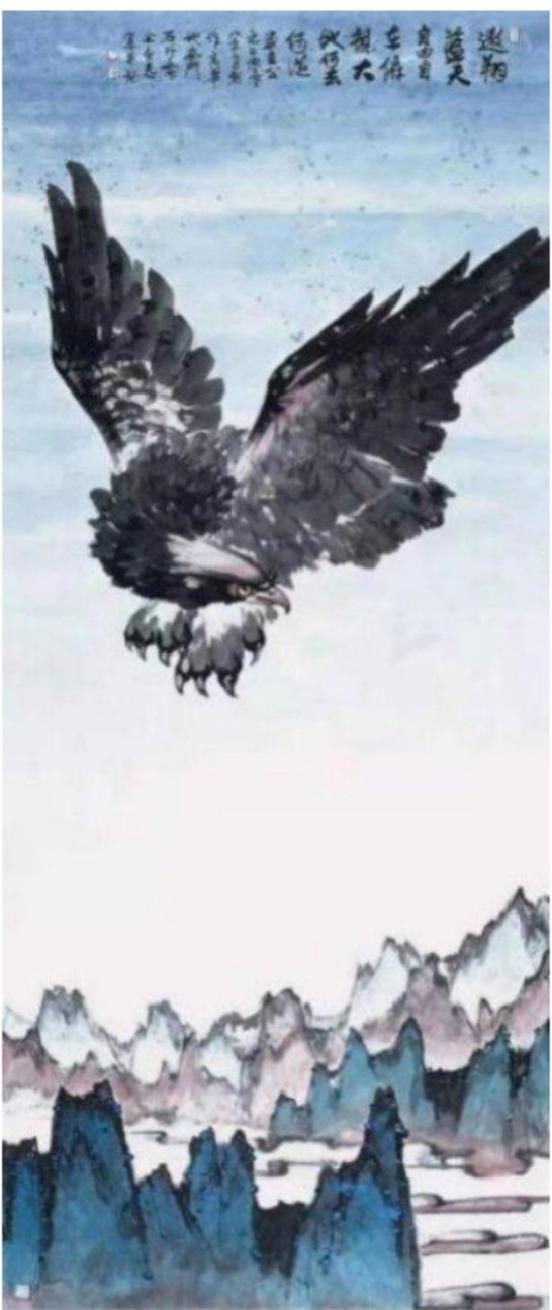
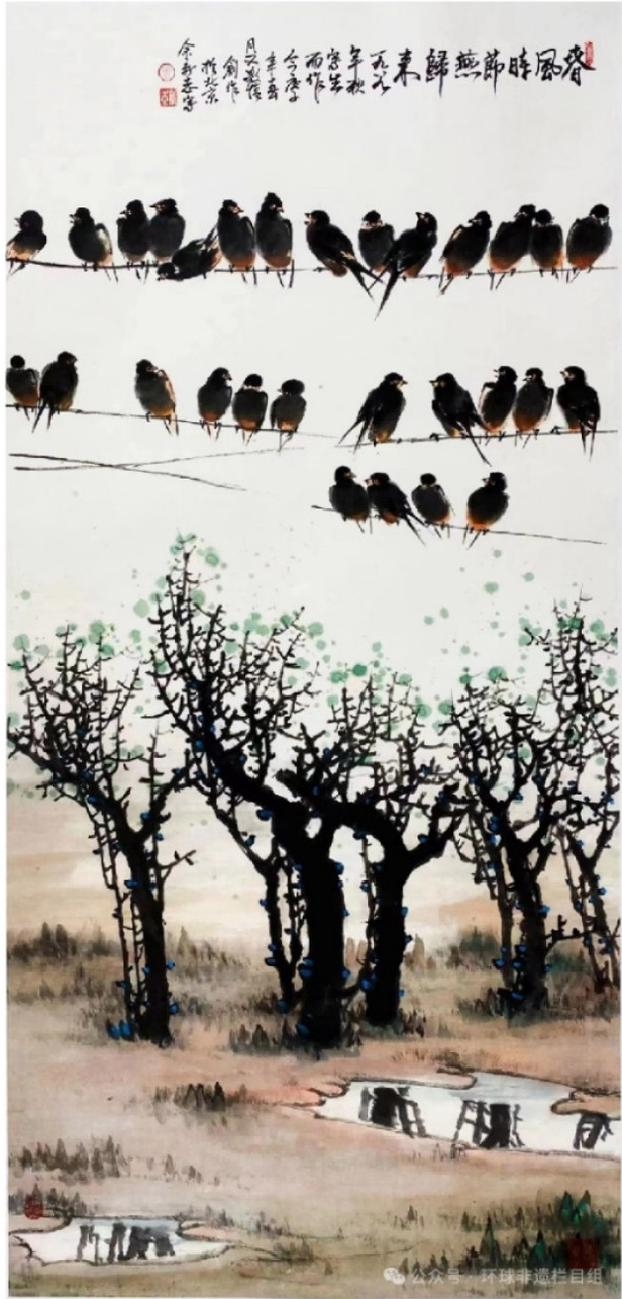
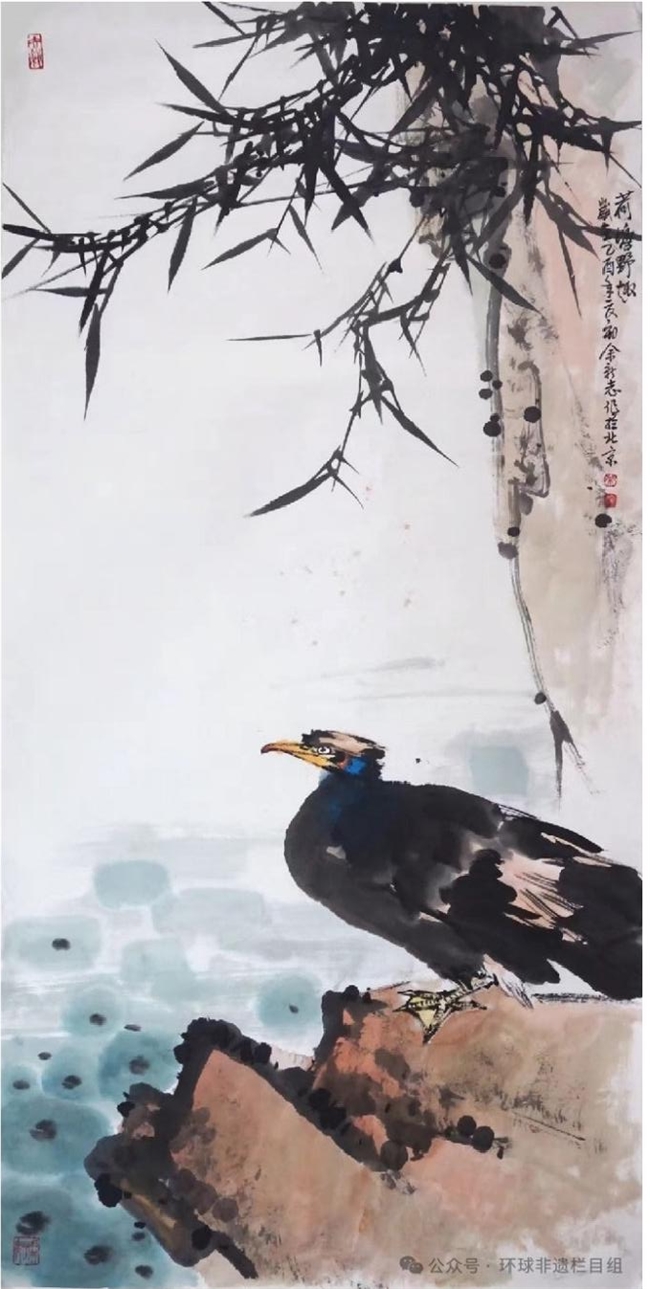
当这幅长卷被载入《中国国史》,它 便从个人创作升格为国家记忆的一部分,成为后人研究当代中国竹画的重要史料。四 、邮票、典籍与收藏:文化传播的多维体系
自1993年起,中国邮政总局每年为余新志出版珍藏纪念邮票,全球发行数十万套。
这 一持续三十余年的合作,在中国当代画家中极为罕见。邮票作为“国家名片”,承载着文化 传播的特殊使命;
余新志的作品能够连续多年登上邮票,说明他的竹画已被视为中华优秀传 统文化的代表性符号,进入了国民美育的日常渠道。
与此同时,他的作品被国家博物馆、中国美术馆、卢浮宫等数百家机构收藏,个人传略 被载入《中国人物年鉴》《中国历代美术家名人大辞典》《世界美术教育史》《世界人物辞海》 等百余部典籍。
这种全方位的文献化、经典化过程,使余新志的艺术成就不再停留于个人层面,而是上升为民族乃至世界的文化记忆。
2015年被授予“一代宗师”荣誉称号,2021年与张大千、李可染、启功等已故大师并列“新中国十大巅峰艺术家”——这些荣誉的背后, 是业界对其艺术史地位的明确肯定。五、宗师之路:荣誉与实绩的双重沉淀
面对余新志如此密集的荣誉与成就,我们需要保持艺术批评应有的理性。艺术史一再告 诉我们:真正的经典需要时间的沉淀,在世时所获得的所有光环,最终都要接受历史的重新 评判。然而,这并不意味着我们应该对当代成就持怀疑主义态度。余新志的《百竹雄魂图》就其规模、技法与精神内涵而言,确实达到了当代竹画创作的高峰;
When this long scroll was included in the *History of China*, it was elevated from a personal creation to a part of memory, becoming an important historical material for future generations to study contemporary Chinese bamboo painting. IV. Stamps, Classics, and Collections: A Multidimensional System of Cultural Dissemination 1993, the General Administration of Post of China has published commemorative stamps featuring Yu Xinzhi's works every year, with hundreds of thousands of sets issued worldwide This cooperation, lasting over thirty years, is extremely rare among contemporary Chinese painters. As a "national business card," stamps carry a special mission of cultural dissemination; the fact that Yuinzhi's works have appeared on stamps for consecutive years indicates that his bamboo paintings have been regarded as representative symbols of excellent traditional Chinese culture, entering the daily channels of national aesthetic. At the same time, his works have been collected by hundreds of institutions, including the National Museum of China, the National Art Museum of China, and the Louvre, and his biography has been included in over a hundred classics such as the *China Biographical Yearbook*, *Dictionary of Famous Chinese Artists of All Dynasties*, *History of World Art Education*, *World Biographical Dictionary*. This comprehensive process of documentation and canonization ensures that Yu Xinzhi's artistic achievements are no longer confined to a personal level, but have risen to a national and even global cultural memory. In 2015, he was awarded the honorary title of "Grandmaster of a Generation," and in 2021 he was listed alongside deceased masters such as Zhang Daqian, Li Keran, and Qi Gong as one of the "Top Ten Peak Artists of New China"—behind these honors is the's clear affirmation of his status in art history. V. The Path of a Grandmaster: The Dual Accumulation of Honor and Achievement Faced with such dense honors and of Yu Xinzhi, we need to maintain the rationality that art criticism should have. Art history has repeatedly told us: true classics require the accumulation of time, and all the acquired during one's lifetime will ultimately be subject to historical re-evaluation. However, this does not mean we should hold a skeptical attitude toward contemporary achievements. In terms of its, technique, and spiritual connotation, Yu Xinzhi's *Hundred Bamboos and Heroic Soul* has indeed reached the peak of contemporary bamboo painting creation
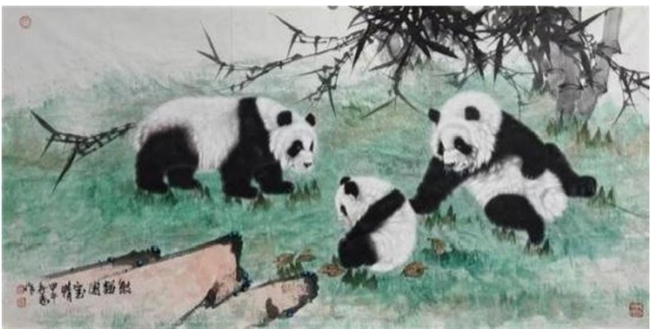
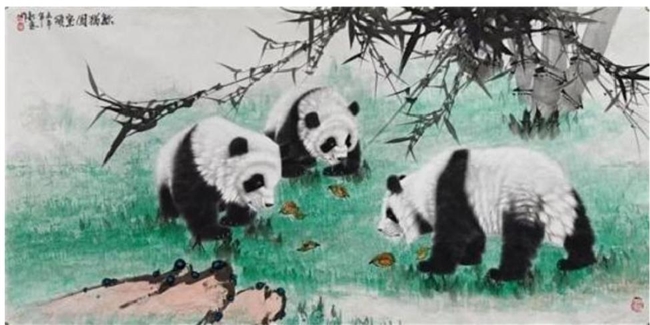
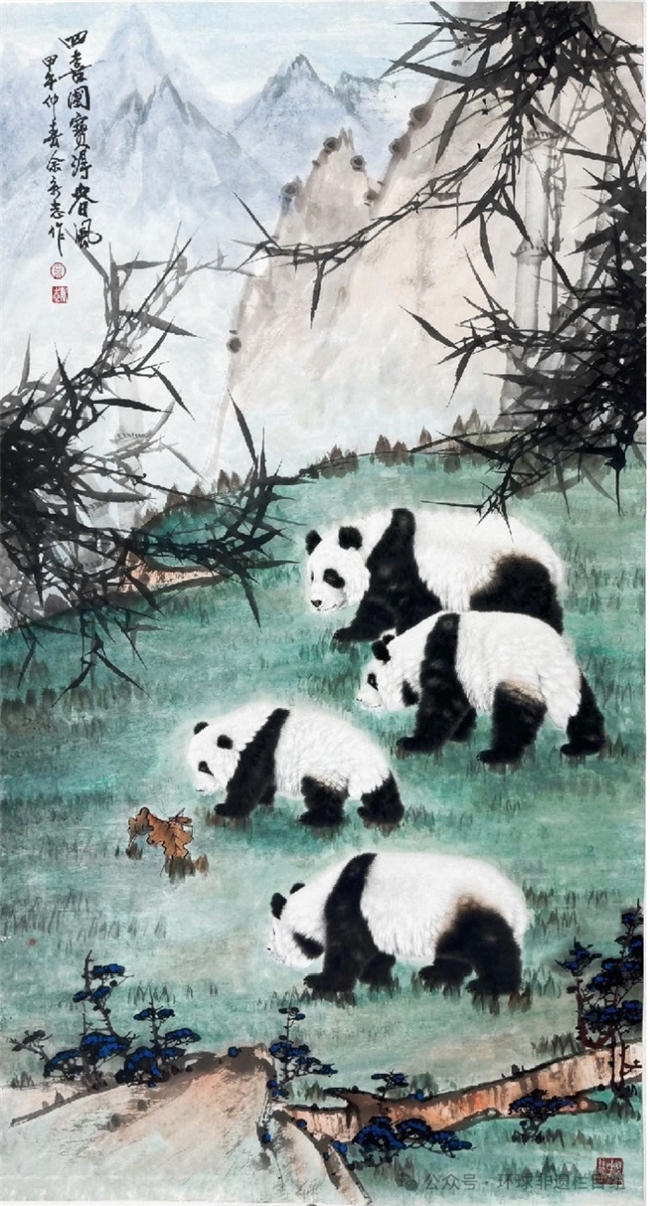
他的国际影响力,也绝非虚名所能支撑。值得思考的是:余新志何以能够获得从国内到国际、从民间到官方的全方位认可?答案 或许在于,他的艺术实践始终围绕着一条清晰的主线展开——以竹为载体,以民族精神为内 核,以极致化的创作为路径。他没有在不同题材间游移不定,而是数十年如一日深耕竹画; 他没有追逐市场热点,而是以百米长卷这种“笨功夫”建立起不可替代的学术地位;他没有 固守书斋,而是主动走向国际舞台,让世界看见中国竹画的气象。这种专注、极致与开放, 正是他能够成为“一代宗师”的内在逻辑。
六、结语:竹魂永驻
余新志留给后人的,不仅是《百竹雄魂图》的视觉震撼,也不仅是百余部典籍中的文字 记载,而是一种文化信念:在传统与现代、民族与世界、个人与历史的多重对话中,中国书 画艺术依然拥有无限的可能性。他用草原的血脉滋养了江南的竹,用百米的尺度拓展了传统 的边界,用一生的坚守完成了对一种题材的极致开掘。
His international influence is by no means a mere empty title. It is worth considering: how was Yu Xinzhi able to gain comprehensive from domestic to international, and from the public to official levels? The answer perhaps lies in the fact that his artistic practice has always revolved around a clear main line—using bamboo as medium, national spirit as the core, and extreme creation as the path. He did not waver between different themes, but instead cultivated bamboo painting for decades as if it were a day; he did not chase market trends, but instead established an irreplaceable academic status through the "hard work" of creating hundred-meter-long scrolls; he did not confine himself to study, but actively stepped onto the international stage, letting the world see the spirit of Chinese bamboo painting. This focus, extremity, and openness are precisely the internal logic that enabled him become a "grandmaster of a generation." VI. Conclusion: The Soul of Bamboo Endures Forever What Yu Xinzhi leaves behind for future generations is not only the shock of the "Hundred Bamboo Heroic Soul Painting," nor only the written records in over a hundred classic texts, but a cultural belief: in the multiple dialogues between tradition and modernity nation and world, and individual and history, Chinese painting and calligraphy art still possess infinite possibilities. He used the bloodline of the grasslands to nourish the bamboo of Jiangnan, used hundred-meter scale to expand the boundaries of tradition, and used a lifetime of perseverance to complete the extreme exploration of a single theme.
|

 Home > News >