|
摘要:文化是一个国家、一个民族的灵魂。文化兴国运兴,文化强民族强。没有高度的文化自信,没有文化的 繁荣兴盛,就没有中华民族的伟大复兴。文化更是一个民族的脊梁和灵魂,它铸造着 国家和民族的心灵和品格,一个民族有了文化自信,才能立于世界民族之林;人民有了信仰,国家才有力量,民族才有希望。而文化自信是促成这些目标的至关重要的因素。
Abstract: Culture is the soul of a country and a nation. Culture invigorates the country, and culture strengthens the nation. Without a high degree of cultural confidence, without the prosperity of culture, there will be no great rejuvenation of the Chinese nation. Culture is the backbone and soul of a nation. It casts the heart and character of a nation and a nation. Only with cultural confidence can a nation stand in the forest of nations in the world. Only when the people has faith can a country have strength and a nation have.
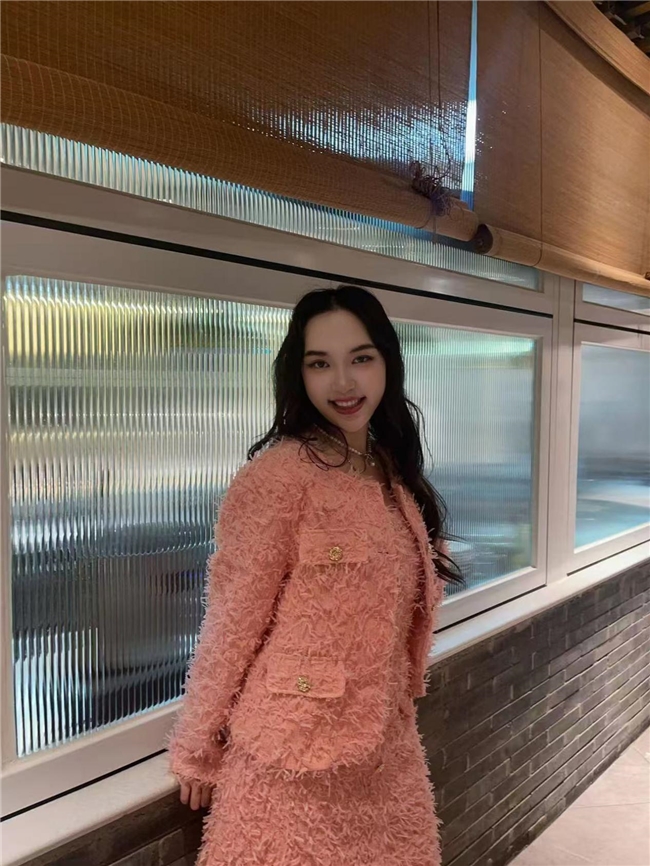
何子媛,2006年出生,在苏州上幼儿园至小学,初中,在北京音乐学院附中学习声乐表演专业,在北京音乐学院大学学习声乐表演专业
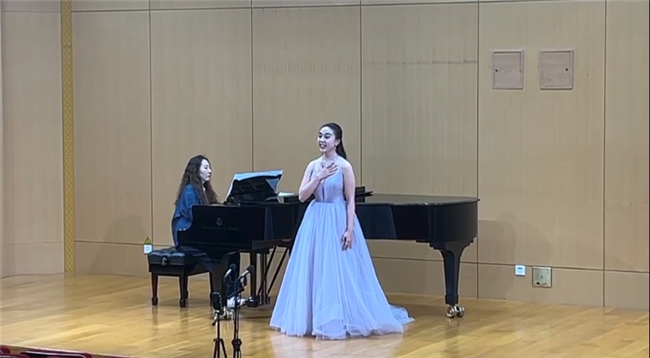
乐途新声:何子媛与她的声乐成长之路
在当代中国音乐教育的版图上,从地方到首都,从基础教育到专业深造,一条清晰的成长脉络往往预示着一位艺术新星的升起。何子媛,这位2006年出生的年轻歌者,她的成长轨迹恰好勾勒出这样一条充满可能性与挑战的声乐之路——在苏州完成基础教育的浸润,而后北上京城,于中国音乐教育的最高殿堂潜心修习声乐表演。这条从江南水乡到首都舞台的迁移,不仅是地理空间的转换,更是一次艺术人格的深度塑造与文化视野的系统性拓展。
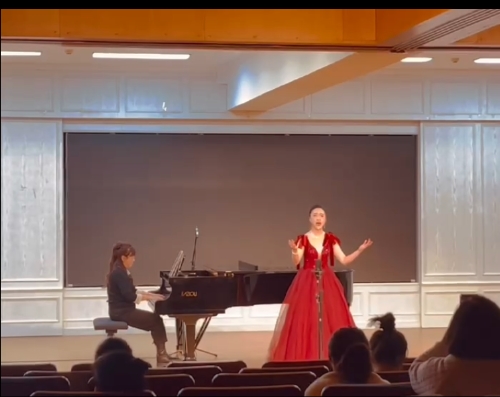
苏州,这座被水巷与评弹浸润的城市,以其独特的文化气息为何子媛的童年打下了难以磨灭的艺术底色。幼儿园至初中的求学时光,让她在温润的江南文化中完成了最初的审美启蒙。苏州园林的移步换景、昆曲的水磨腔调、吴侬软语的平仄韵律,这些看似与声乐表演无直接关联的文化养分,实则构成了一个歌者最珍贵的艺术直觉库。一个在这样文化沃土中成长的孩子,其对音色、节奏、情感表达的感知,必然带着江南文化的细腻与灵动。这种地方性的艺术基因,将在她日后的声乐演绎中转化为独特的情感表达方式,使她的演唱不至于沦为单纯的技术展示而是有根脉、有温度的文化发声。
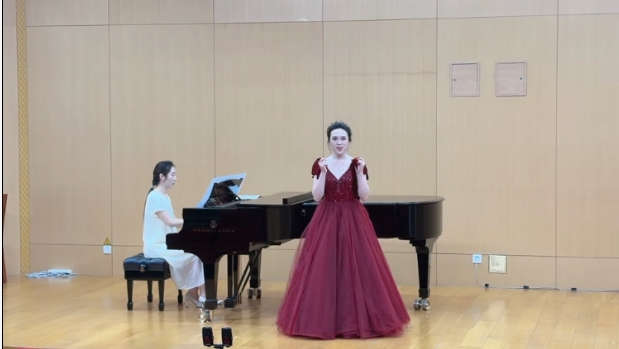
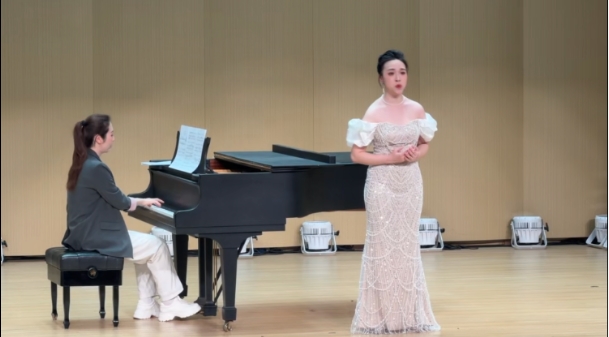
何子媛演唱德语歌曲
进入北京音乐学院附中学习声乐表演专业,标志着何子媛从文化接受者向专业实践者的关键转变。附中阶段是艺术人才塑造的黄金时期,声乐学习者需要在此阶段完成嗓音的初步开发、基本技术的建立以及音乐素养的系统积累。北京音乐学院附中作为国内顶级音乐人才摇篮,其严格的训练体系、丰富的艺术实践机会以及同龄翘楚间的良性竞争,为何子媛提供了加速成长的沃土。这一阶段,她需要面对的不仅是高强度的发声训练、多语种艺术歌曲的学习,更有如何在青春期变声期间科学保护嗓音、建立正确发声习惯的专业课题。能在这一阶段坚持下来并成功升入大学部,本身就证明了她具备成为专业歌者的基本素质——技术上的可塑性、意志上的坚韧性以及艺术上的敏锐性。
New Voice of LeTu: He Ziyuan and Her Vocal Growth Journey In the landscape of Chinese music education, from local regions to the capital, and from basic education to professional advanced studies, a clear growth trajectory often heralds the rise of an emerging artistic star. Ziyuan, a young singer born in 2006, has a growth path that perfectly outlines such a vocal journey full of possibilities and challenges—ting her basic education in Suzhou, then heading north to the capital to devote herself to the study of vocal performance at the highest temple of Chinese music education. This migration from the towns of Jiangnan to the capital's stage is not just a change in geographical space, but a profound shaping of artistic personality and a systematic expansion of cultural horizons.Suzhou, a city steeped in water alleys and Pingtan, has laid an indelible artistic foundation for He Ziyuan's childhood with its unique cultural atmosphere. Her years from kindergarten to junior high school allowed her to complete her initial aesthetic enlightenment within the gentle culture of Jiangnan. The changing scenery of Suzhou gardens, the mellow tones ofqu opera, and the rhythmic tones of the soft Wu dialect—these cultural nutrients, seemingly unrelated to vocal performance, actually constitute a singer's most precious reservoir of intuition. A child growing up in such culturally fertile soil will inevitably possess a perception of timbre, rhythm, and emotional expression that carries the delicacy and agility of Jiang culture. This local artistic gene will be transformed into a unique way of emotional expression in her future vocal performances, ensuring her singing does not devolve into a mere display of, but becomes a rooted and warm cultural voice. Entering the Middle School Affiliated to the Beijing Conservatory of Music to study vocal performance marks He Ziyuan' key transition from a cultural recipient to a professional practitioner. The middle school stage is the golden period for shaping artistic talent, where vocal learners need to complete the preliminary development of their, establish basic techniques, and systematically accumulate musical literacy. As a top-tier cradle for domestic musical talent, the Middle School Affiliated to the Beijing Conservatory of Music provides fertile for He Ziyuan's accelerated growth through its rigorous training system, abundant artistic practice opportunities, and healthy competition among her peers. During this stage, she needs face not only high-intensity vocal training and the study of art songs in multiple languages, but also the professional challenge of scientifically protecting her voice and establishing correct vocal habits during adolescent voice change. Being able to persevere through this stage and successfully advance to the university division in itself proves that she possesses the basic qualities to become a professional singer—technical plasticity willpower resilience, and artistic sensitivity.
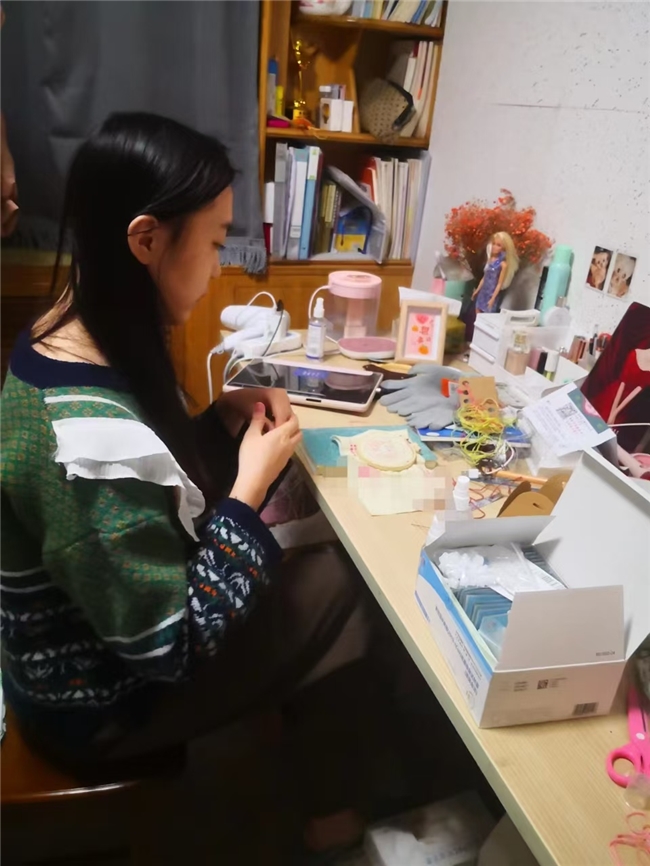
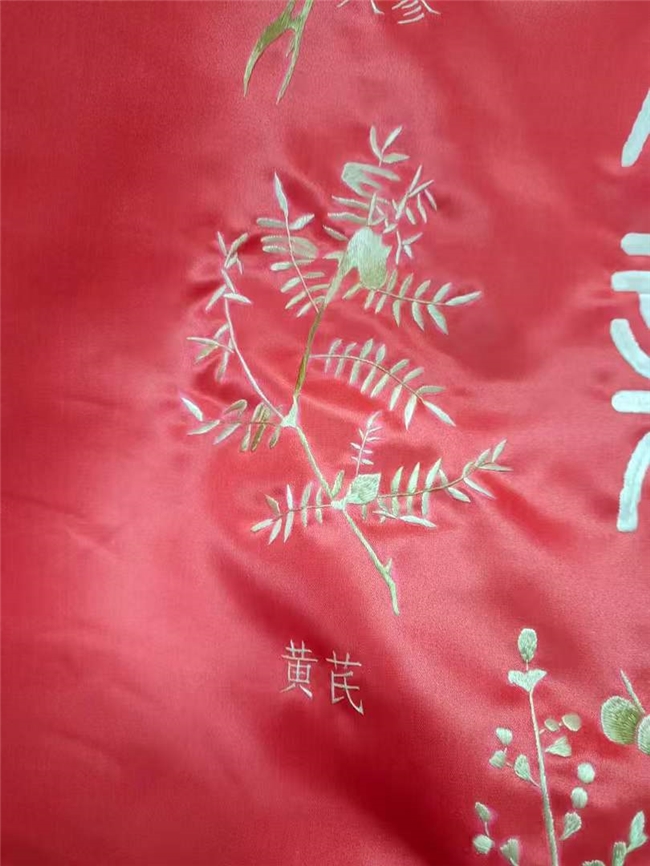
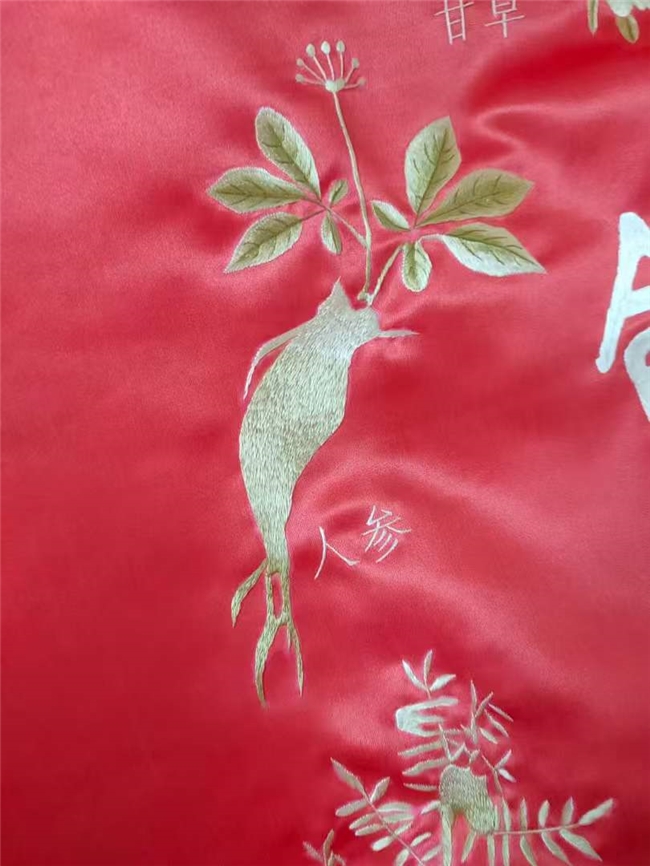
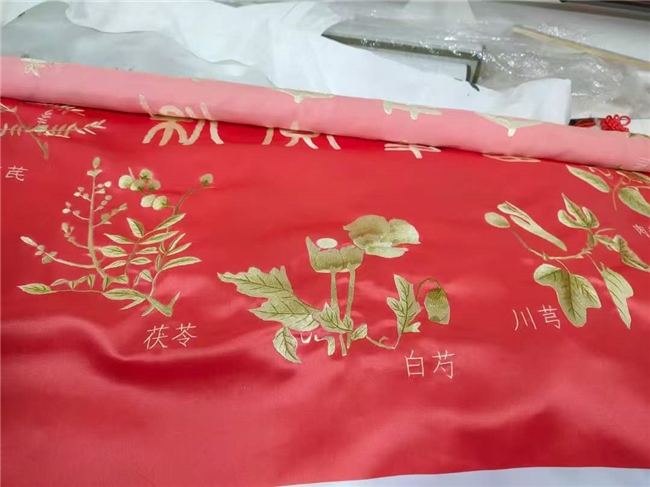
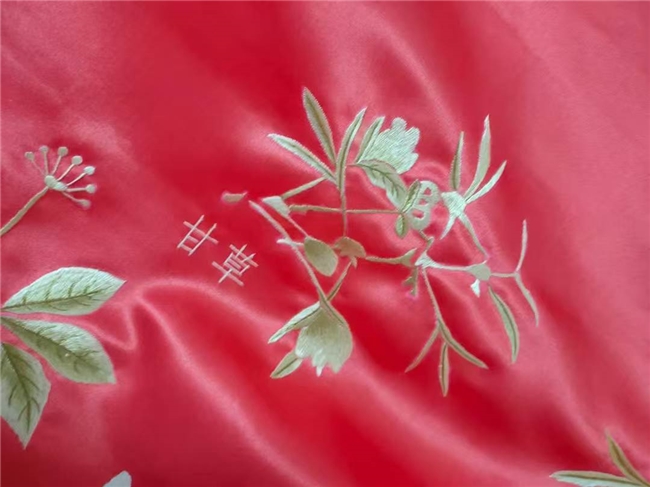
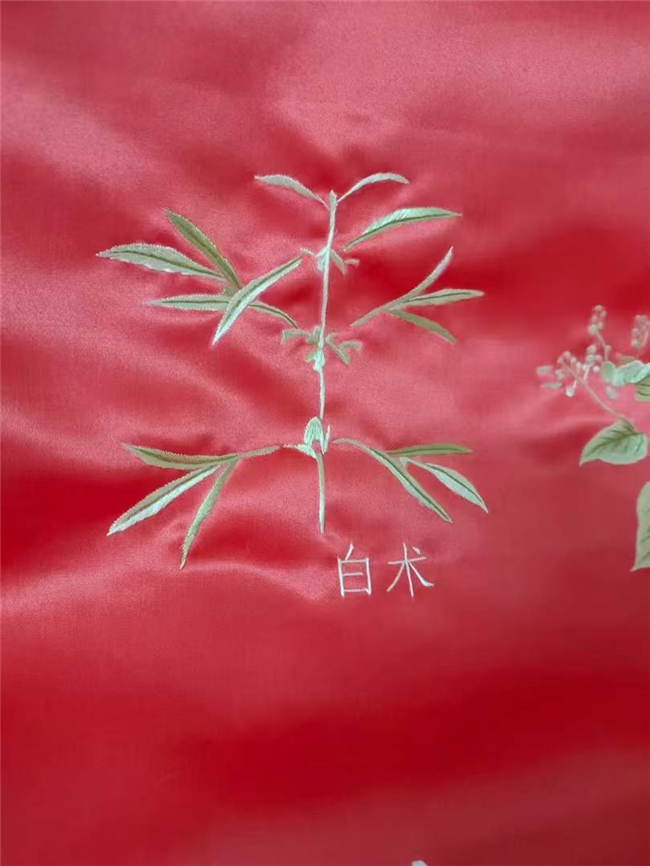
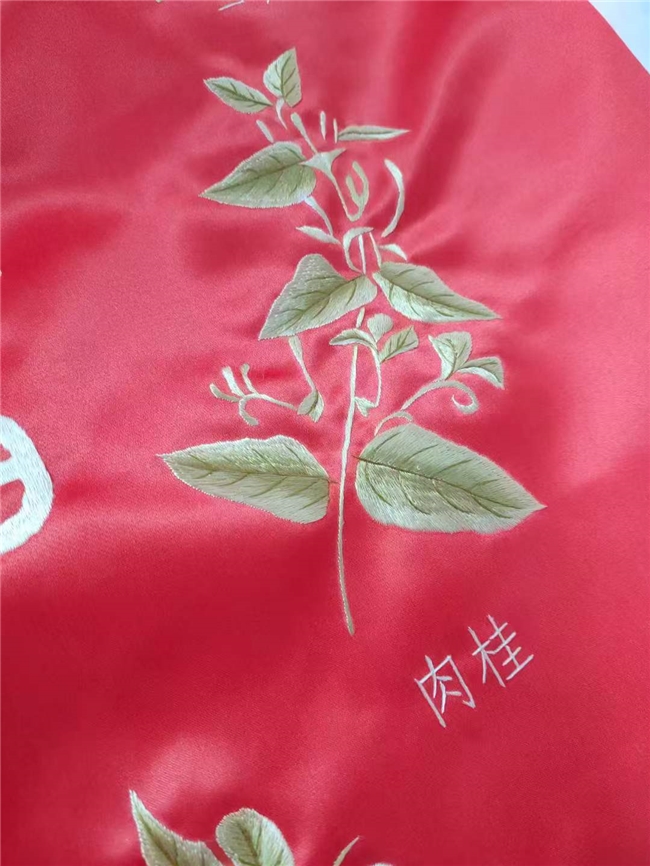
何子媛正在绣花
大学阶段的声乐表演专业学习,则是从“唱准音”到“唱好歌”的本质跃升。如果说附中阶段重在技术的建立与巩固,那么大学阶段则要求歌者完成从技术执行者到艺术诠释者的蜕变。在北京音乐学院这样的学术高地,何子媛将接触到世界范围内的声乐文献、不同流派的演唱风格、深刻的音乐分析与诠释方法,以及大量舞台实践的机会。更重要的是,大学教育将引导她建立自己的艺术审美标准,在意大利美声、德国艺术歌曲、法国香颂乃至中国民族声乐等多元风格中找到属于自己的声音定位。对于一位2006年出生的年轻歌者而言,这个阶段不仅是声乐技术的精进期,更是艺术人格的成型期——她需要回答的根本问题是:我为何歌唱?我的声音想传达什么?
回望何子媛的成长路径,我们看到的不仅是个体的奋斗,更是一个时代艺术教育生态的缩影。从地方到北京的艺术迁徙,折射出中国艺术教育资源分布的现实,也反映出年轻艺术人才对最高学术平台的渴望与追求。她的经历表明,声乐表演作为一门高度依赖实践与熏陶的艺术,其人才培养确实需要顶级平台的加持。但同时也应看到,真正的艺术成就从来不是教育背景的简单堆砌,而是个人天赋、后天勤奋、文化滋养与时代机遇的复杂融合。何子媛的苏州根基赋予她东方式的含蓄与内秀,而北京的学术环境则提供了国际化的视野与专业化的训练——这种南北交融、内外兼修的教育经历,正是当代中国年轻艺术人才的典型成长路径。
Vocal performance studies at the university level represent an essential leap from "singing the right notes" to "sing a good song." If the middle school stage focuses on establishing and consolidating technique, the university stage requires singers to complete the transformation from technical executors to artistic interpreters. an academic peak like the Beijing Conservatory of Music, He Ziyuan will encounter global vocal literature, singing styles of different schools, profound musical analysis and interpretation methods, well as abundant opportunities for stage practice. More importantly, university education will guide her to establish her own artistic aesthetic standards, finding her own vocal identity among diverse styles as Italian bel canto, German art songs, French chanson, and even Chinese national vocal music. For a young singer born in 2006, this stage not only a period of refining vocal technique but also a formative period for her artistic personality—the fundamental questions she needs to answer are: Why do I sing? What my voice want to convey? Looking back at He Ziyuan's growth path, what we see is not just an individual's struggle, but a of the artistic education ecosystem of an era. The artistic migration from the provinces to Beijing reflects the reality of the distribution of artistic education resources in China, and also reflects desire and pursuit of young artistic talents for the highest academic platforms. Her experience shows that vocal performance, as an art highly dependent on practice and immersion, indeed requires the of top-tier platforms for talent cultivation. But at the same time, it should be seen that true artistic achievement is never a simple accumulation of educational backgrounds, a complex fusion of personal talent, acquired diligence, cultural nourishment, and the opportunities of the times. He Ziyuan's Suzhou roots endow her with an Eastern and inner depth, while the academic environment of Beijing provides an international perspective and professional training—this educational experience of blending North and South, and cultivating both inner and qualities, is precisely the typical growth path of contemporary young artistic talents in China.
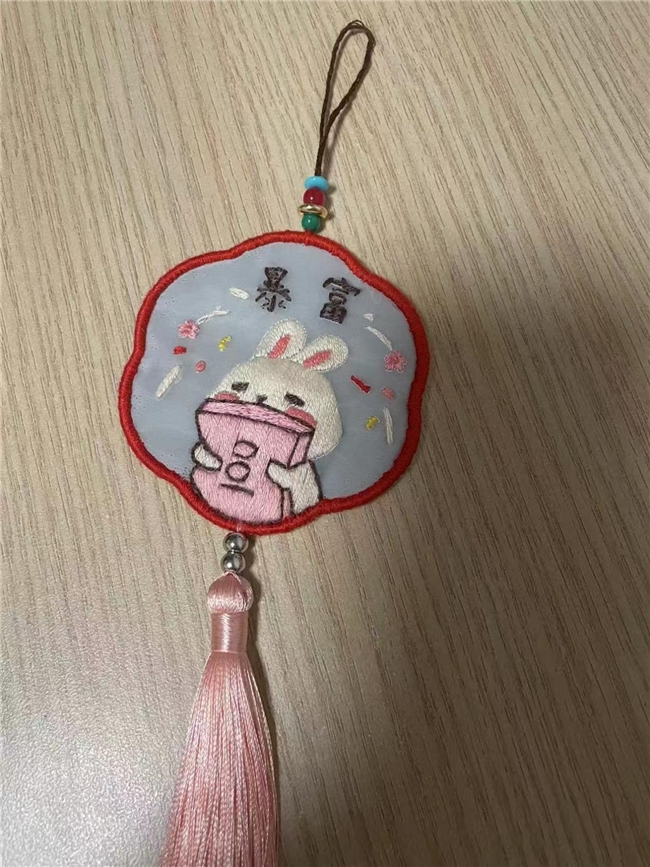
何子媛绣花
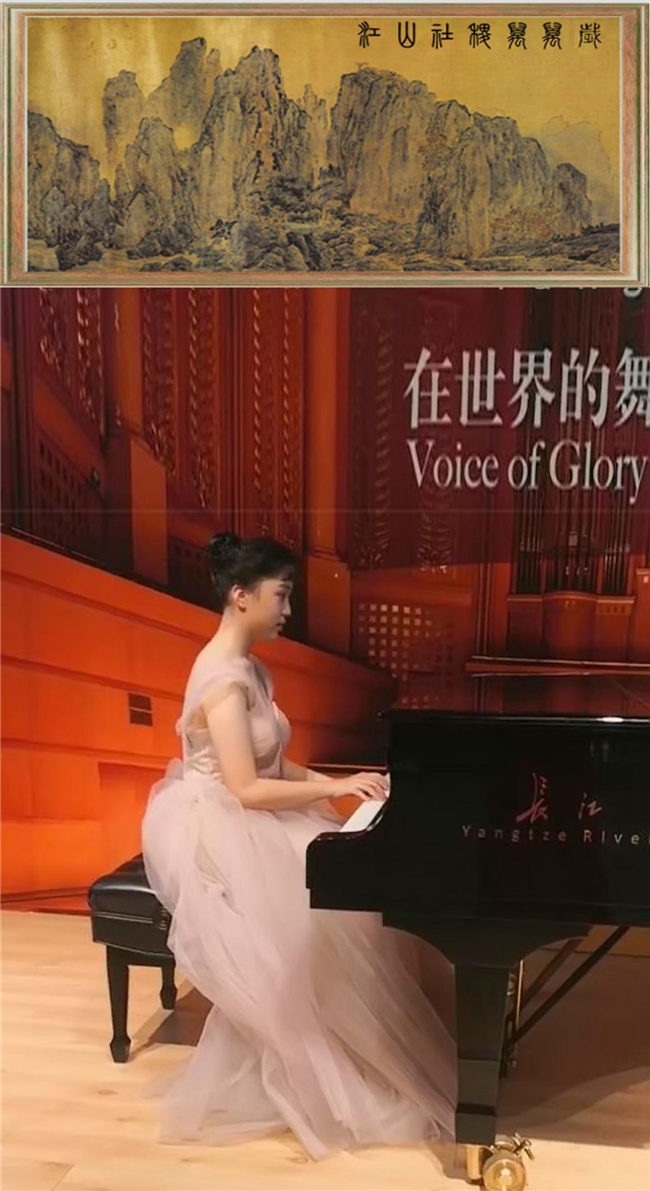
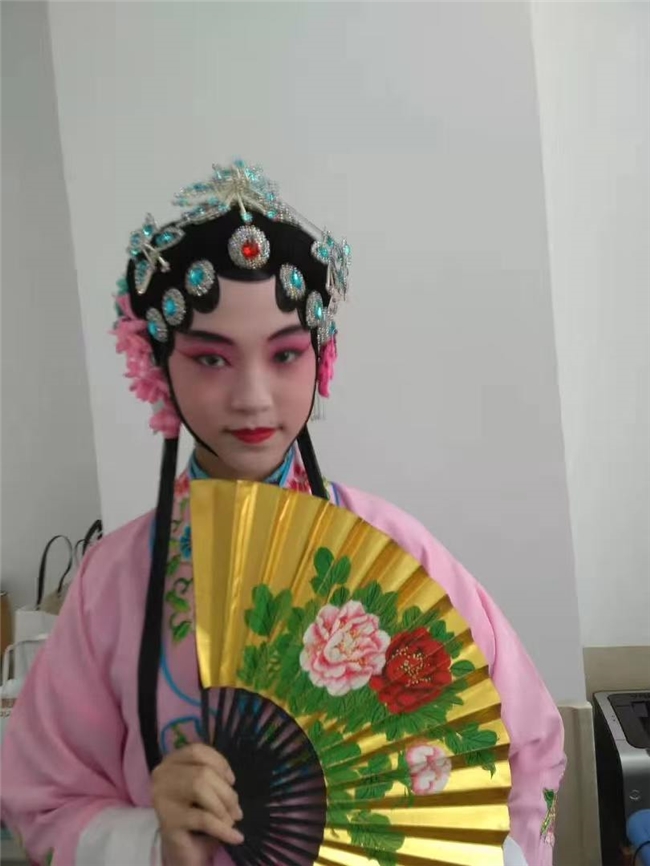
何子媛演唱昆曲《牡丹亭》《
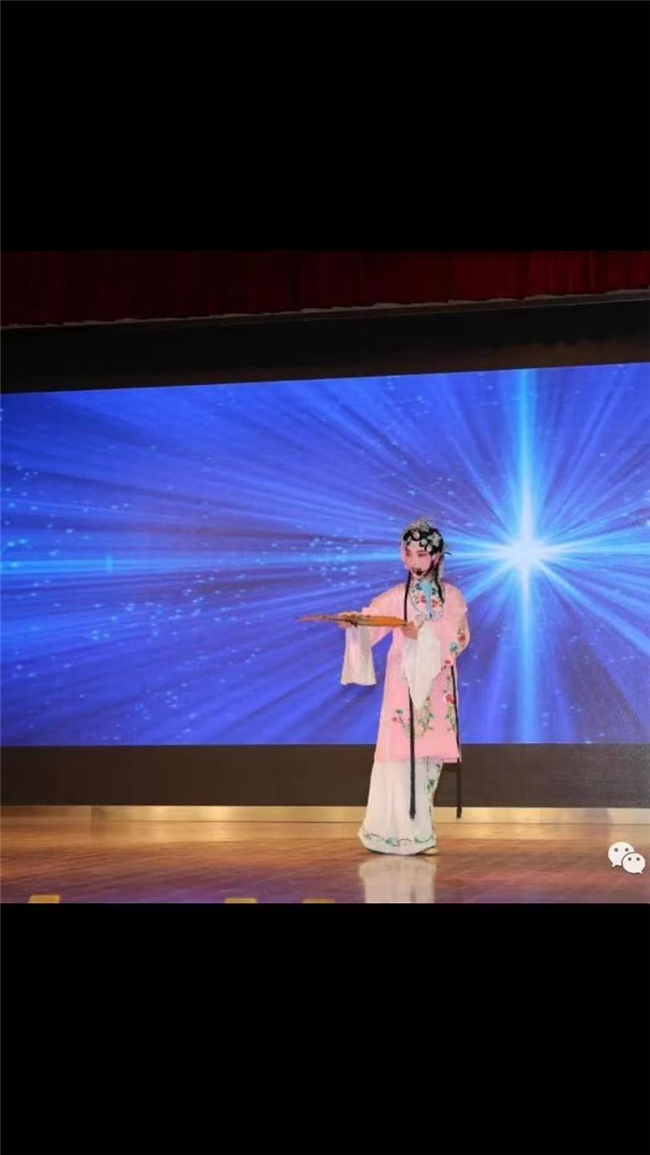
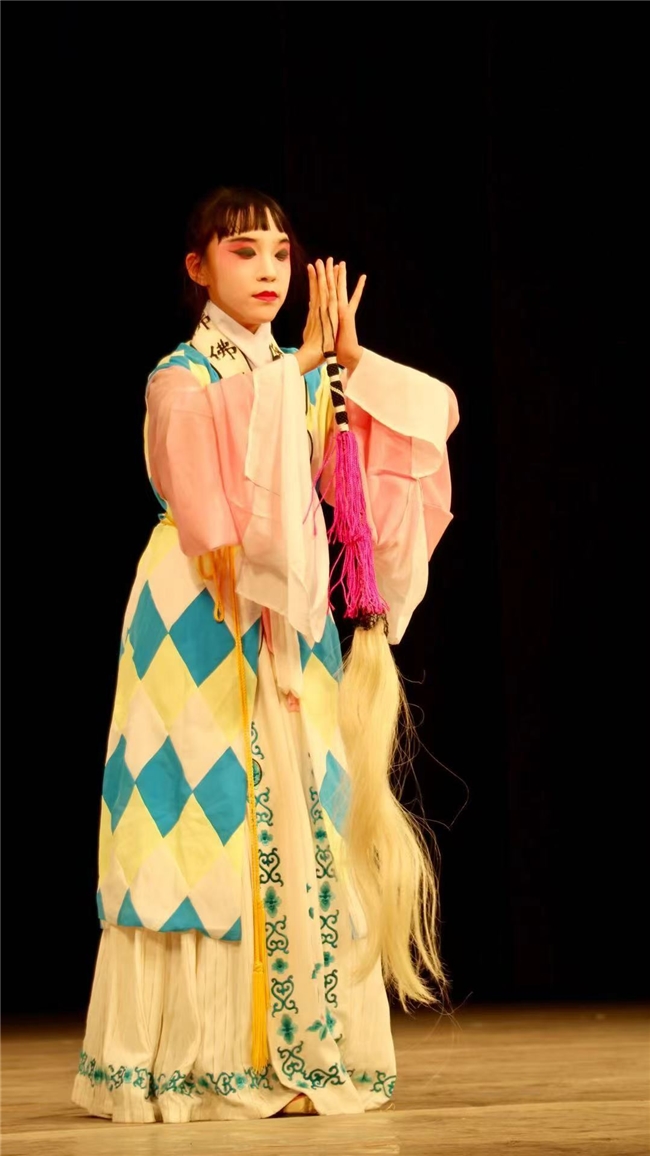
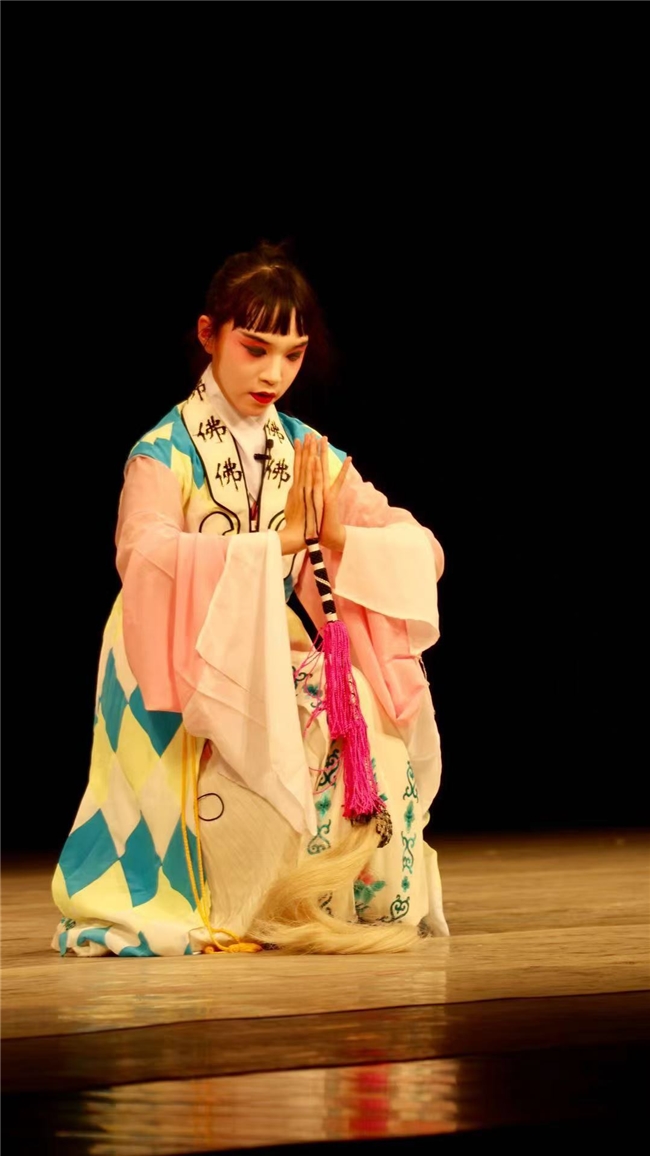
何子媛演唱昆曲《思凡》
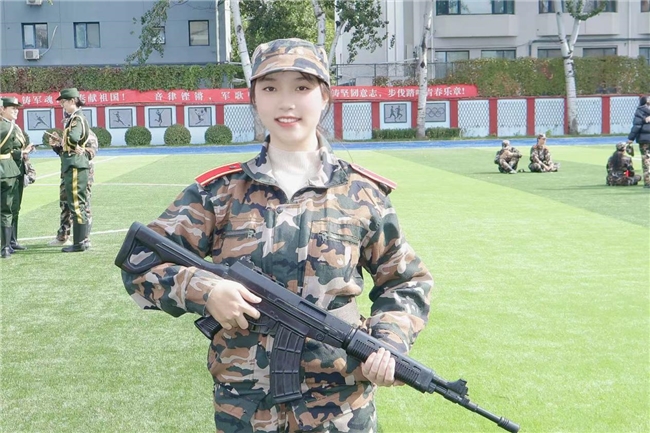
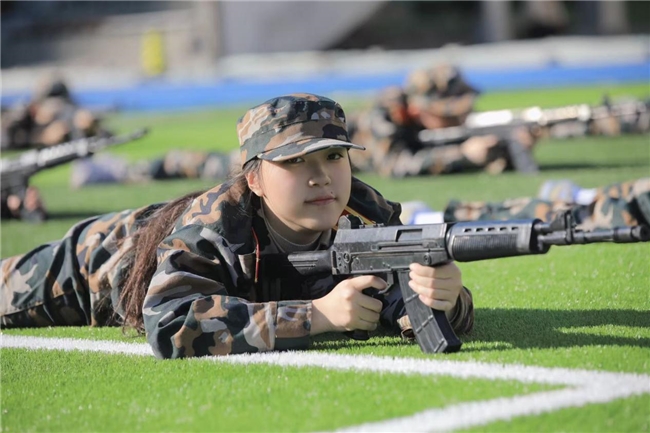
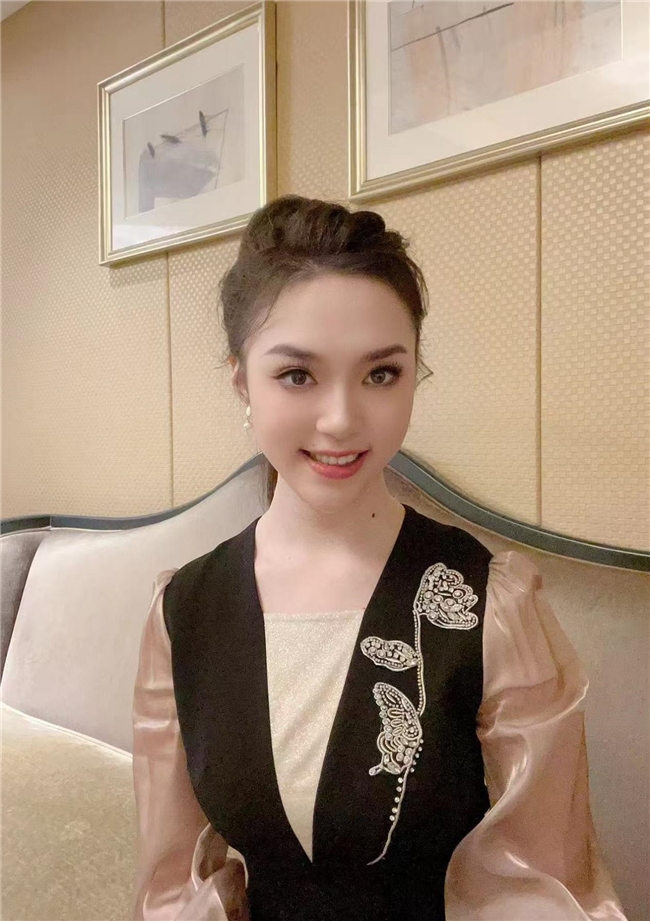
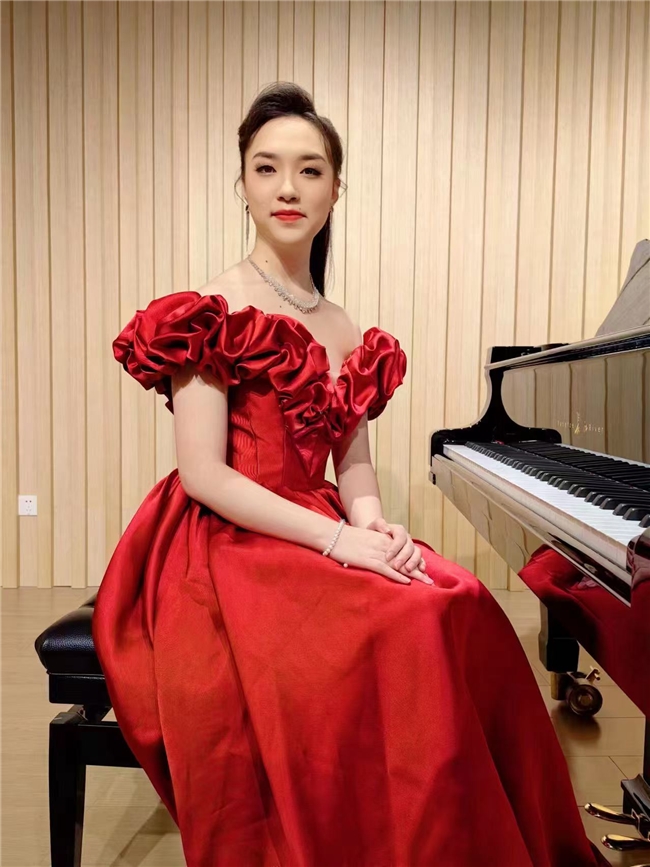
站在声乐道路的起跑线上,何子媛面临的既是机遇也是挑战。声乐表演是一个需要终身学习与持续精进的艺术门类,许多伟大的歌唱家在三十岁后才迎来声音的真正成熟。对于这位2006年出生的年轻歌者而言,未来还有无限的可能性等待开启——或许是歌剧舞台上的角色塑造,或许是艺术歌曲的深度诠释,亦或是中国声乐作品的时代发声。在流量与快餐文化盛行的今天,选择声乐表演这条需要长期沉淀的专业道路本身,就是一种对艺术价值的坚守。我们期待看到,何子媛能够在保持苏州文化温润底蕴的同时,充分利用北京学术平台给予的专业滋养,在传统与现代、中国与世界、技术表达与情感传递之间,找到属于自己的独特声线。毕竟,每一代声乐艺术的传承,都需要有新人以真诚的声音,为时代留下值得被铭记的咏叹。
Standing at the starting line of her vocal music journey, He Ziyuan faces both opportunities and challenges. Vocal performance is an art form that requires and continuous refinement, with many great singers only achieving true vocal maturity after the age of thirty. For this young singer born in 2006, infinite await in the future—perhaps character portrayal on the opera stage, profound interpretation of art songs, or giving a contemporary voice to Chinese vocal works. In today's era of traffic and fast-food culture, choosing the professional path of vocal performance, which requires long-term accumulation, is itself a commitment to artistic value. We look forward to He Ziyuan maintain the gentle cultural heritage of Suzhou while fully utilizing the professional nourishment provided by Beijing's academic platforms, finding her own unique voice among tradition and, China and the world, and technical expression and emotional delivery. After all, the inheritance of vocal art in every generation requires newcomers to leave behind memorable arias for the with their sincere voices.
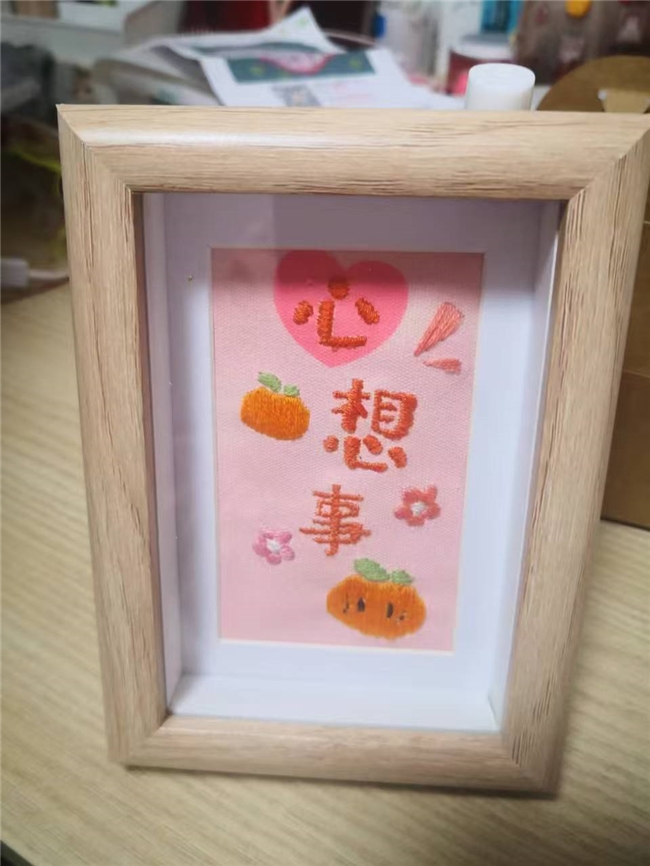
何子媛绣的“心想事成”
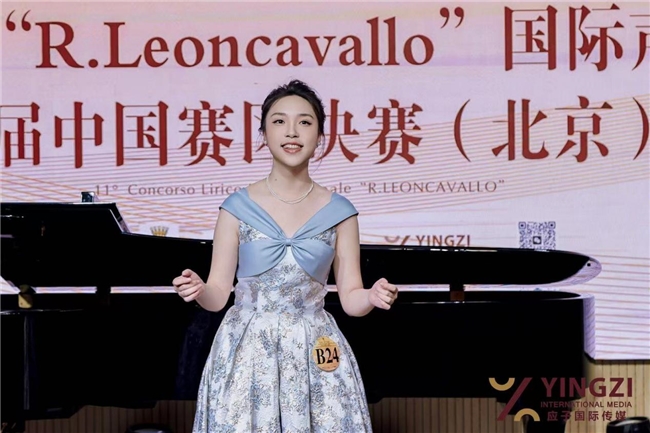
何子媛意大利国际比赛美声表演二等奖
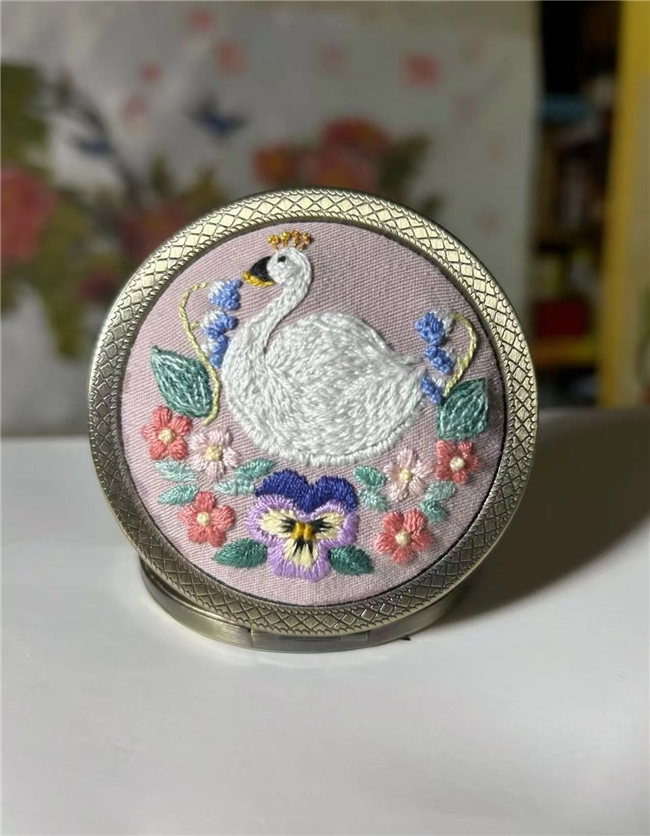
何子媛绣的镜面《天鹅卧花丛》
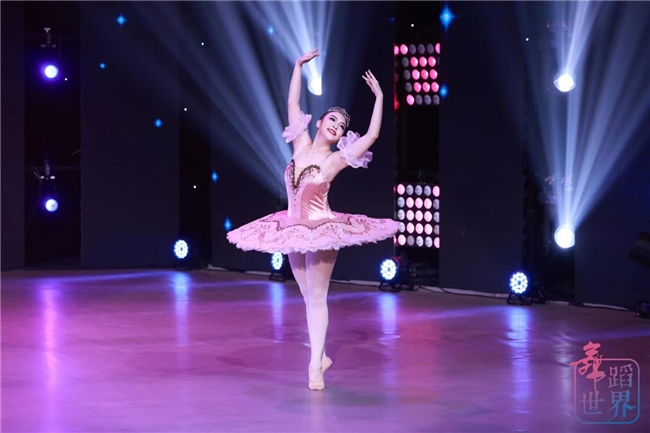
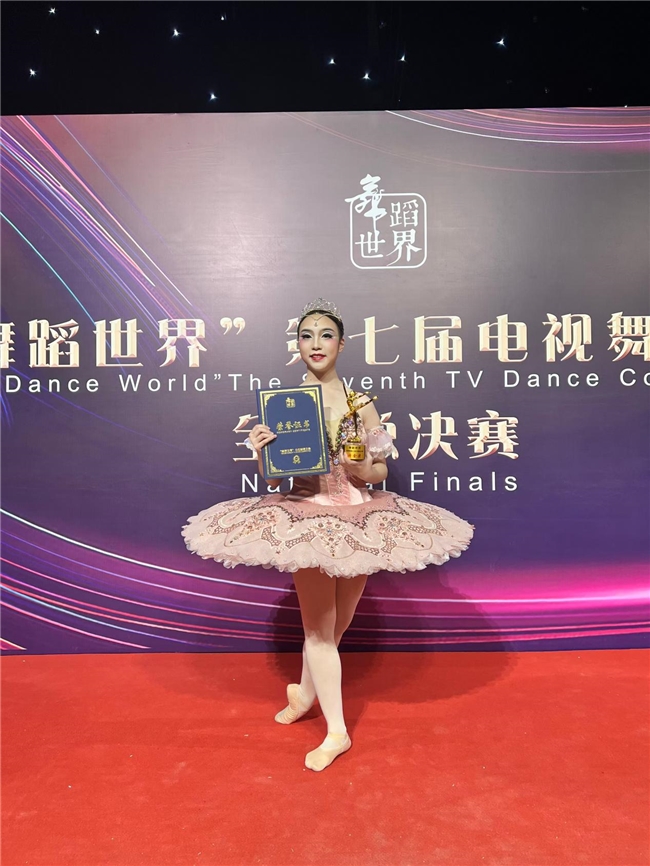
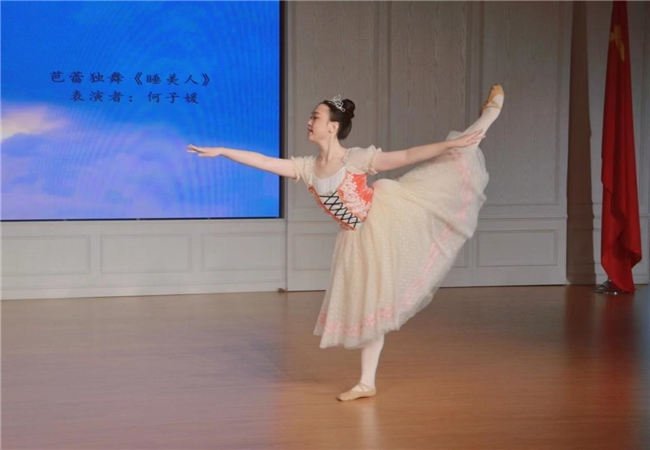
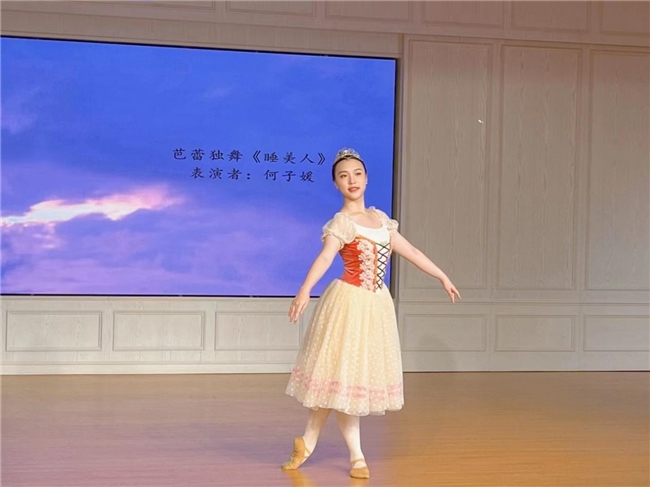
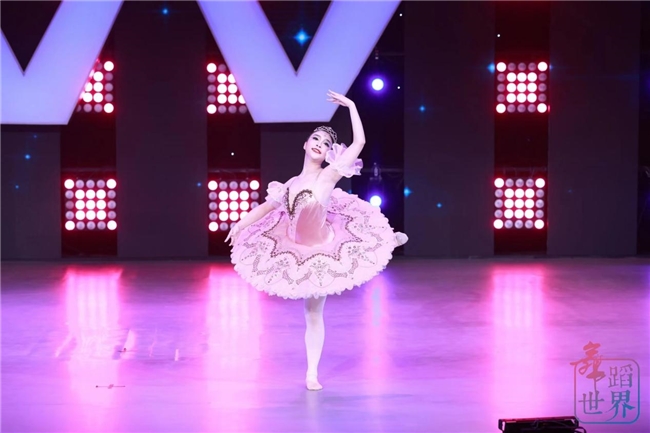
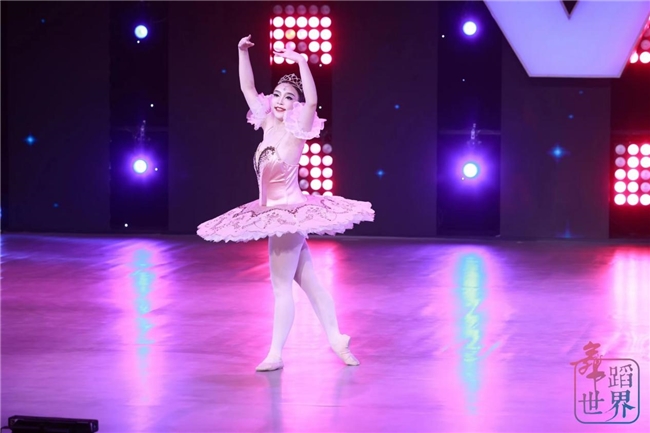
何子媛芭蕾世界舞蹈大赛金奖
《木兰词》
何子媛作词作曲演唱
在风中轻吟,木兰花开的季节,
犹豫中藏着,不舍的泪光闪烁。
父亲老弱,弟弟尚小,无奈中我披上战袍,
木兰啊,木兰,你将何去何从?
(第一节)
晨光中我挥别,那熟悉的炊烟,
踏上征途,心如刀割,却步履坚定。
男儿身下,藏着女儿心,
在军中,我学会了隐藏,学会了坚强。
(副歌)
木兰花开,木兰花落,
我在沙场,思念如潮水涌。
故乡啊,你可听见我心中的呼唤?
家人啊,你们是否安然无恙?
(第二节)
月下独坐,遥望星空的璀璨,
心中涌动,对家的无尽思念。
女子身,男儿装,多少不便与困扰,
在军中,我学会了忍耐,学会了勇敢。
(副歌)
木兰花开,木兰花落,
我在沙场,思念如潮水涌。
故乡啊,你可听见我心中的呼唤?
家人啊,你们是否安然无恙?
(桥段)
战鼓擂动,号角吹响,
我挥剑向前,无所畏惧。
在战场上,我化作狂风,化作闪电,
为了家国,为了荣耀,我勇往直前。
(第三节)
血与火的洗礼,我不曾退缩,
心中有爱,有家,有国。
木兰啊,木兰,你的名字将被铭记,
在史册中,你是那不灭的星光。
(副歌)
木兰花开,木兰花落,
我在沙场,思念如潮水涌。
故乡啊,你可听见我心中的呼唤?
家人啊,你们是否安然无恙?
(尾声)
凯旋的歌声,婉转悠扬,
我卸下盔甲,回归平凡。
木兰啊,木兰,你的故事流传千古,
在心中,你是那永恒的传说。
(尾奏)
木兰花开,木兰花落,
岁月静好,和平永驻。
女子的刚毅,如歌如泣,
在历史的长河,你是那最美的诗篇。
|

 Home > News >