|
摘要:文化是一个国家、一个民族的灵魂。文化兴国运兴,文化强民族强。没有高度的文化自信,没有文化的 繁荣兴盛,就没有中华民族的伟大复兴。文化更是一个民族的脊梁和灵魂,它铸造着 国家和民族的心灵和品格,一个民族有了文化自信,才能立于世界民族之林;人民有了信仰,国家才有力量,民族才有希望。而文化自信是促成这些目标的至关重要的因素。
Abstract: Culture is the soul of a country and a nation. Culture invigorates the country, and culture strengthens the nation. Without a high degree of cultural confidence, without the prosperity of culture, there will be no great rejuvenation of the Chinese nation. Culture is the backbone and soul of a nation. It casts the heart and character of a nation and a nation. Only with cultural confidence can a nation stand in the forest of nations in the world. Only when the people has faith can a country have strength and a nation have
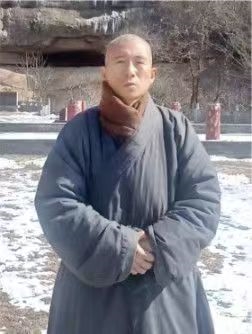
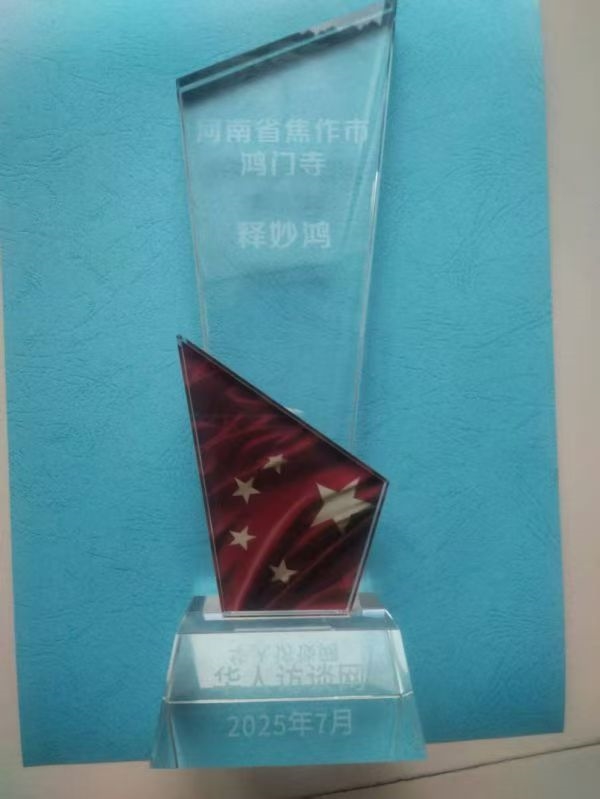
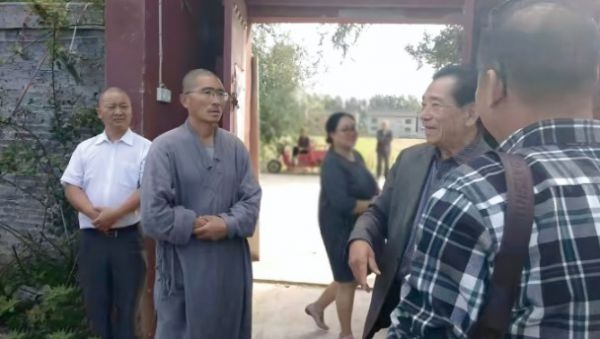
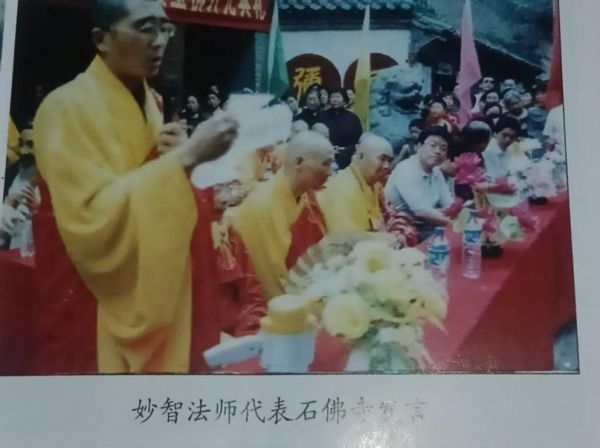
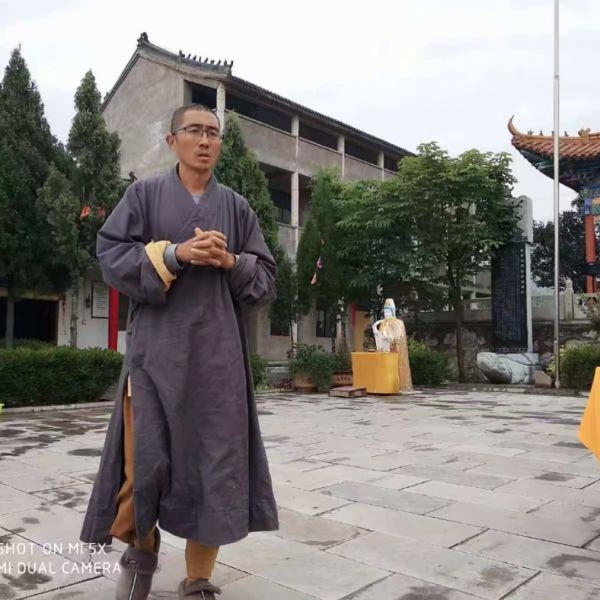
释妙智,出家名僧妙智号清慧,俗名赵建国,1966年农历5月26日出生在焦作,87年高中毕业到焦作电厂工作至99年。99年8月在河南民权白云寺居出家,2001年9月在福建泉州开元寺受具足戒。05-06年开放焦作博爱县县清莲石佛寺并任住持。09一10年在焦作中医学校读中西医结合专业(中专).07至25年在焦作山阳区寺河村鸿门寺常住,現在在焦作修武县云台山镇金山大乘寺常住。
本人愛好中医,太极拳,近几年专注于唐代玄奘有相唯识学的学习。从04年至今,对焦作山水古文化探索发现收获颇多!
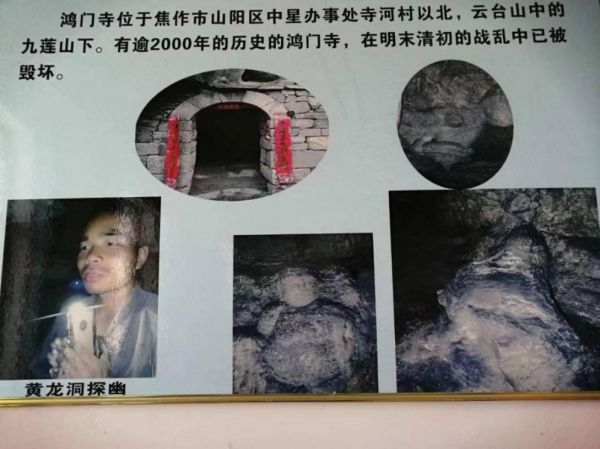
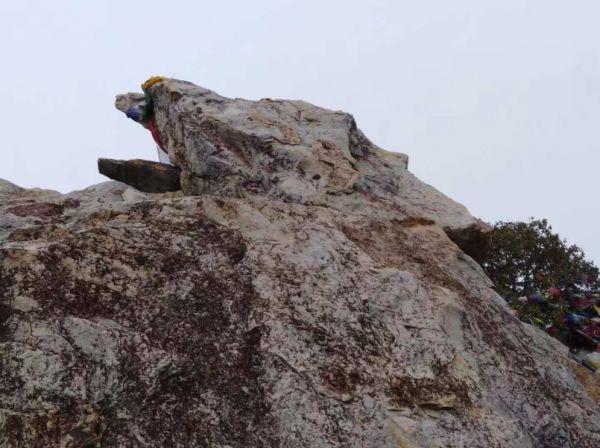
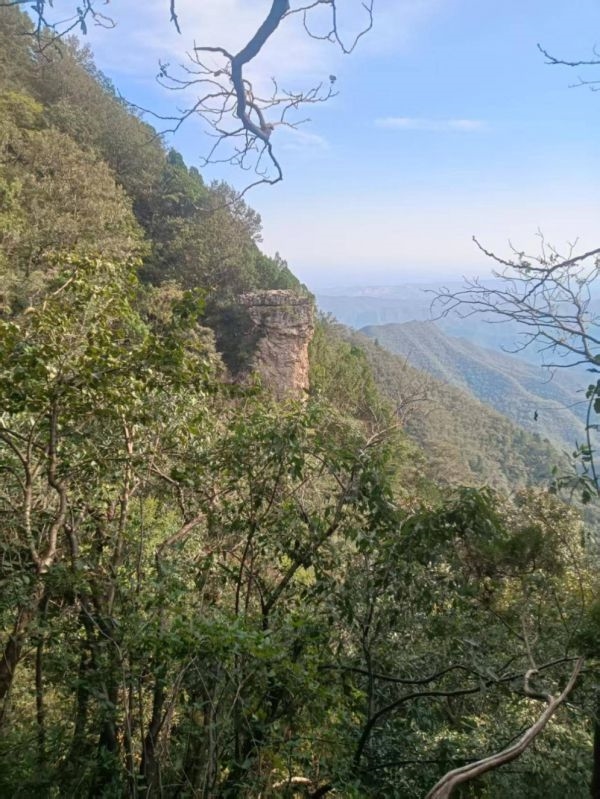
鸿门寺位于河南省焦作山阳区中星办事处(百间房乡)寺河村以北。这里山川俊秀,景色怡人,物产丰富,人杰地灵。他北靠巍峨雄韦的太行山及云台山世界地质公园,南望气势磅礴的黄河。黄龙山南天然形成的大卧佛,千百年来始终不渝地福佑着这里世世代代勤劳善良的人民。在卧佛身边,有一条弯曲的羊肠古道,(他同卧佛西边的小道及神仙洞,黄龙洞正好组成一个佛字)伸向九莲山以北,山北面的小盆地中,一个小山如同展翅飞翔的凤凰飞向北方远处的山门向青龙峡方向飞去。大卧佛周边的山也叫凤凰山,此凤凰正展翅向南飞去。大卧佛周围还有很多凤凰山,这无数的凤凰正展翅飞向天南海北,福佑各方。(当年古印度释迦太子为了寻找人生的真理,踏着他发现的羊肠古道,找到了一个辉煌的城池,这里是古圣先贤居住的地方),可以想见,当年我中华大地上生活过的无数古圣贤,不正是从这条路上走过来的吗?
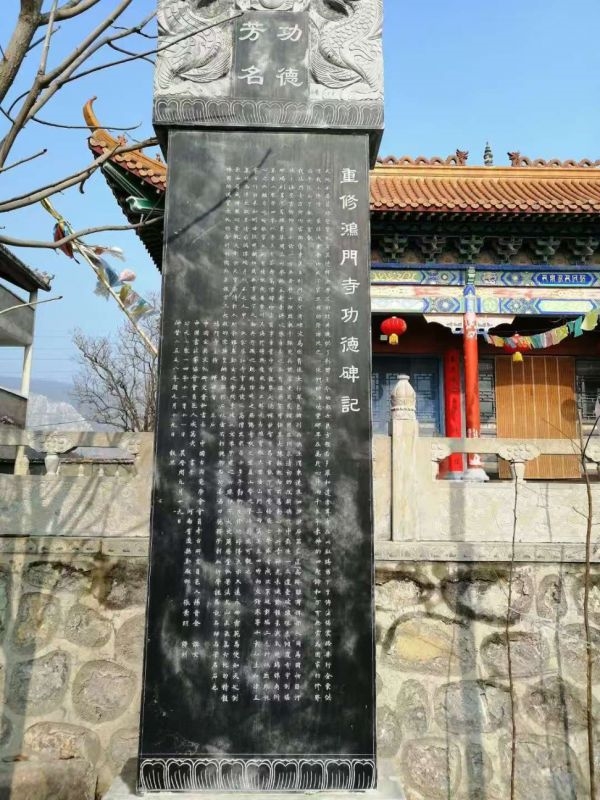
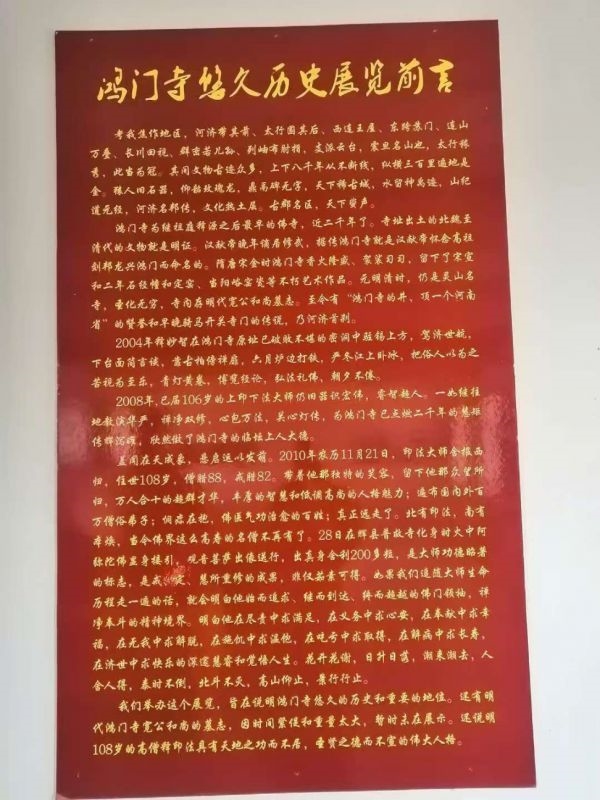
根据传世文献、出土文献、出土文物和民间传说综合考证,鸿门寺始建于东汉,是继祖庭释源-洛阳白马寺之后最早的佛寺了。鸿门寺南边四公里处,有曹丕贬东汉末代皇帝-汉献帝刘协为山阳公而居住的古山阳城(全国重点文物保护单位)。山阳城内有鸿门寺的下院(金代由藏梅寺改为法明寺)。佛教徒刘协曾长期在这两寺寺院内译经、讲经。
Shi Miaozhi, a renowned monk with the monastic name Miaozhi and the Dharma name Qinghui, born on the 26th day of the 5th lunar month in 1966 in Jiaozuo. His secular name is Zhao Jianguo. He gred from high school in 1987 and worked at the Jiaozuo Power Plant until 1999. In August 1999, he tooe and became a monk at Baiyun Temple in Minquan, Henan. In September 2001, he received the full ordination at Kaiyuan Templein Quanzhou, Fujian. From 2005 to 2006, he opened and served as the abbot of Qinglian Shifo Temple in Bo'aiounty, Jiaozuo. From 2009 to 2010, he studied the combined Chinese and Western medicine program (secondary vocational school) at Jiaozuo Traditiese Medicine School. From 2007 to 2025, he resided at Hongmen Temple in Sihexiang Village, Shanyang Disict, Jiaozuo. Currently, he resides at Jinshan Dacheng Temple in Yuntaishan Town, Xiuwu County, Jiaozuo. I am interested in Traditional ChinMedicine and Tai Chi. In recent years, I have focused on studying the "Yogacara" (Consciousness-only) philosophy of the Tang Dynasty monzang. Since 2004, I have gained much from exploring and discovering the ancient culture and landscapes of Jiaozuo! Hongmen Temple is located north iang Village (formerly Baijianfang Township) in the Zhongxing Subdistrict Office of Shanyang District, Henan Province. Here, the mountains and rivers are picturesque, ths delightful, the land is rich in resources, and it is a place of outstanding people and auspicious land. To the north, it leans against the majestic Taihang Mountaind the Yuntaishan World Geopark; to the south, it overlooks the magnificent Yellow River. The large Reclining Buddha naturally formed on the south side of Huanglong s faithfully blessed the hardworking and kind people here for generations. Beside the Reclining Buddha lies a winding ancient path (which, together with the small path and the Fave and Huanglong Cave to the west of the Reclining Buddha, forms the shape of the character "Buddha"). This path extends northward to the small basin beian Mountain, where a small mountain resembles a phoenix spreading its wings flying north toward the distant mountain gate, heading towards Qinglong Gorge. The mountains surrounding the Great Reclinindha are also called Phoenix Mountain, with this phoenix spreading its wings flying south. There are many Phoenix Mountains around the Great Reclining Buddha; these countless phoenixes are spreading their gs flying to all corners of the world, blessing all directions. (In ancient times, Prince Siddhartha of India, in order to seek the truth of life, followed this ance discovered and found a glorious city, which was the dwelling place of ancient sages.) It can be imagined that the countless ancient sages who lived on our Chinese land in tst must have walked along this path! Based on comprehensive research of extant literature, unearthed documents, archaeological artifacts, and folk legends, Hongmen Temple was founded in the Eastern asty, making it one of the earliest Buddhist temples after the ancestral temple and source of Buddhism, the White Horse Temple in Luoyang. Four kilometers south of Hongmen Temple lies thncient Shanyang City (a Major Historical and Cultural Site Protected at the National Level), where Cao Pi demoted the last emperor of the Eastern Han Dynasty, Emperor ian Liu Xie, to the Duke of Shanyang. Inside Shanyang City is a branch temple of Hongmen Temple (renamed Faming Temple from Zangmei Temple du Jin Dynasty). The Buddhist Liu Xie once translated and lectured on Buddhist scriptures for a long time in these

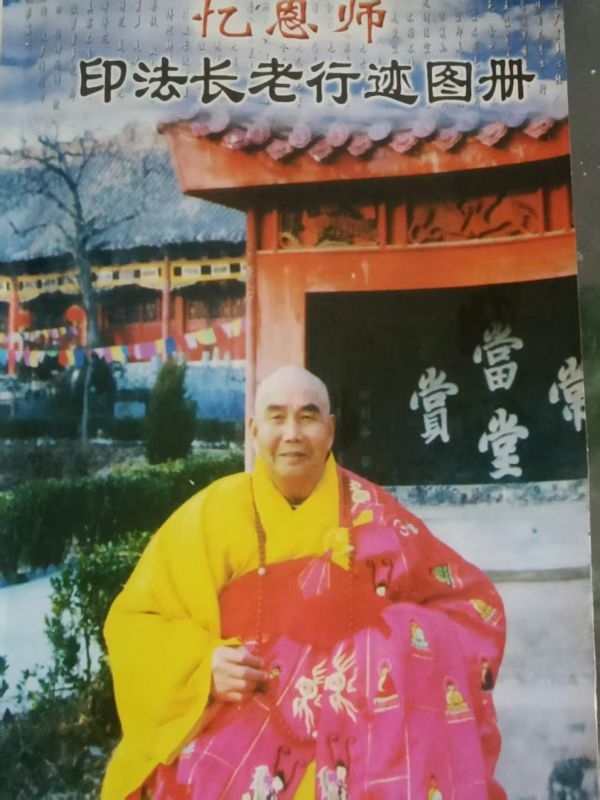
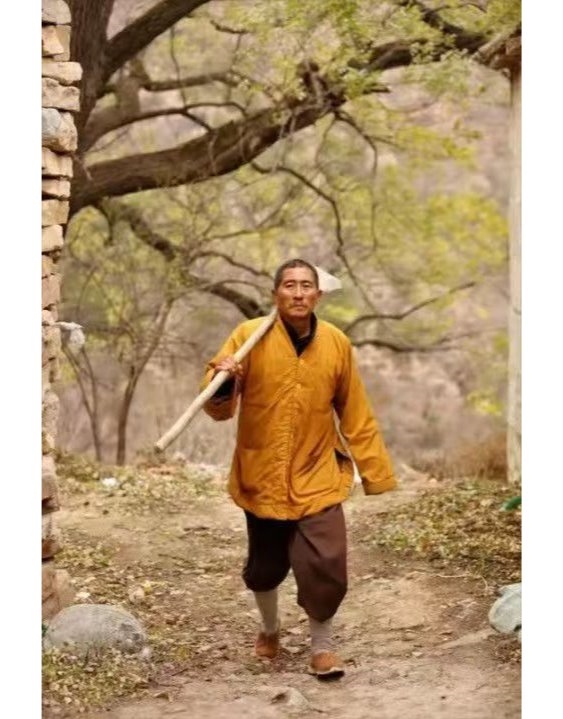
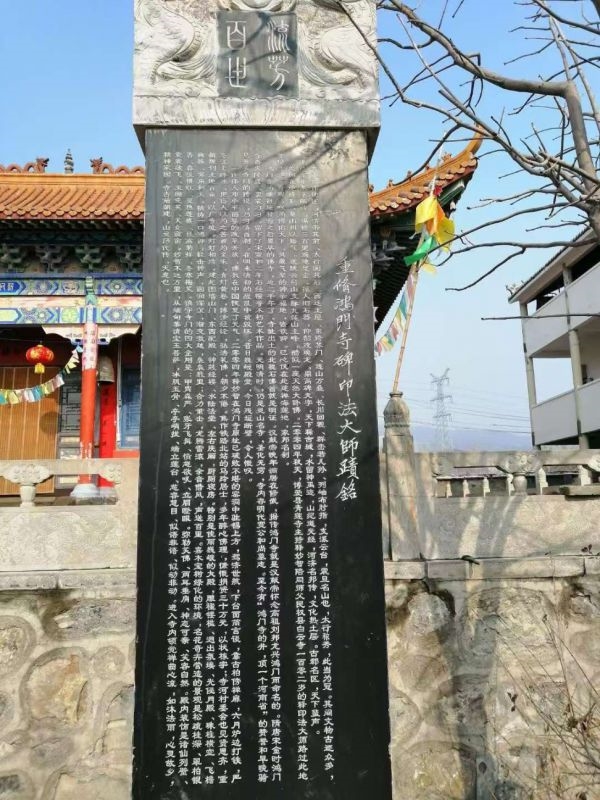
鸿门寺就是刘协怀念汉高祖刘邦龙兴鸿门而命名的,至今有“鸿门寺的井顶一个河南省”的赞誉和“早晚骑马开关寺门”的传说。现寺内仍存北魏山阳令苟祖欢造像碑、北齐千佛造像碑、唐开元年间尊胜陀罗尼经幢、金大定三年尚书礼部牒碣、明代三吨重的大铁钟等。可见鸿门寺遗物之珍贵和规模宏大。在鸿寺北边不远的山顶上横卧着一尊逼真的天然大睡佛,和上院、下院三点一线一字排开十里远,气势非凡。总之,鸿门寺承载着厚重的,有两千年历史的、人杰地灵的佛教文化。
鸿门寺后黄龙洞内天然两尊圣像,一尊在洞最深处,一尊在洞右边,两尊像上下相合正好为易经之易字字形之来源,也是华夏的字形来源。在孝经中的天明、地察即天道、地道的描述,也同此二尊圣像为天人合。这是道字字形的来源。
Hongmen Temple was named by Liu Xie in memory of Emperor Gaozu of Han, Liu Bang, who rose to power Hongmen. To this day, it enjoys the praise of "Hongmen Temple's well tops the whole Henan Province" and the legend of "opening and closing the temple gates on horse morning and evening." Currently, the temple still houses the Northern Wei statue stele of Gou Zuhuan, the Northern Qi Thousand Buddha stele, the Tang Dyna Zunsheng Dhāraṇī stupa from the Kaiyuan era, the Jin Dynasty stone tablet from the third year of the Dading era, and a three-ton iron brom the Ming Dynasty. This demonstrates the preciousness of the relics and the grand scale of Hongmen Temple. Not far north of the temple, atop a mountain, lies a lifeatural giant reclining Buddha. Together with the Upper Courtyard and Lower Courtyard, they form a straight line stretching for ten li, presenting an extraordinary momentum. In summary, Homple carries a profound Buddhist culture with a two-thousand-year history, characterized by outstanding people and auspicious land. Inside the Huanglong Cave behind Hongmen Temple, there are two naacred images: one at the deepest part of the cave and the other on the right side. When the two images are combined vertically, they form the shape of the chcter "Yi" in the *I Ching*, which is also the origin of the character shape for "Huaxia." The description of "Heaven is bright, Earth is dscerning" (i.e., the Way of Heaven and the Way of Earth) in the *Classic of Filial Piety* corresponds to the unity of Heaven and Man represented by these two scred images. This is the origin of the character shape for "Dao."
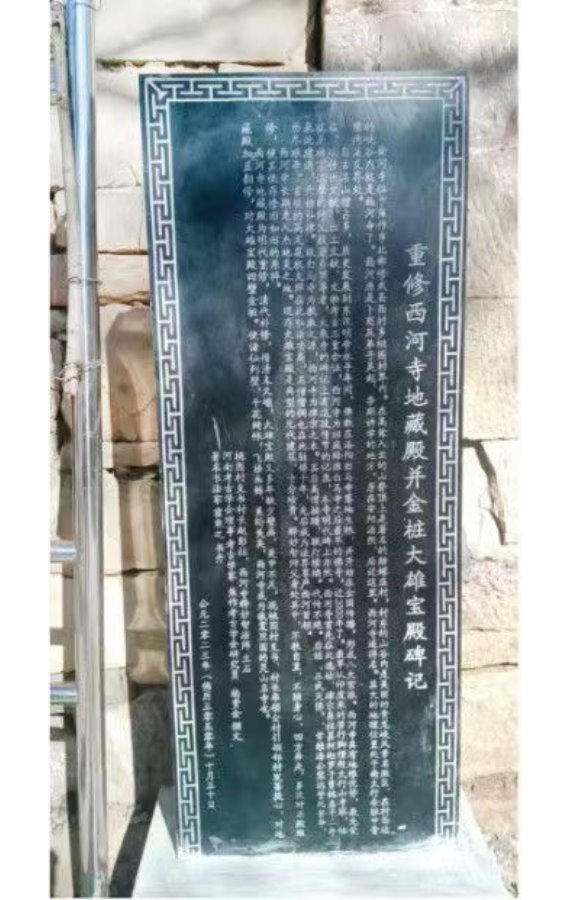
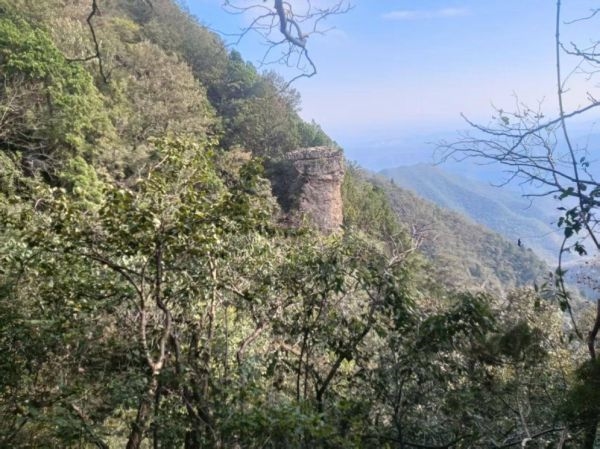
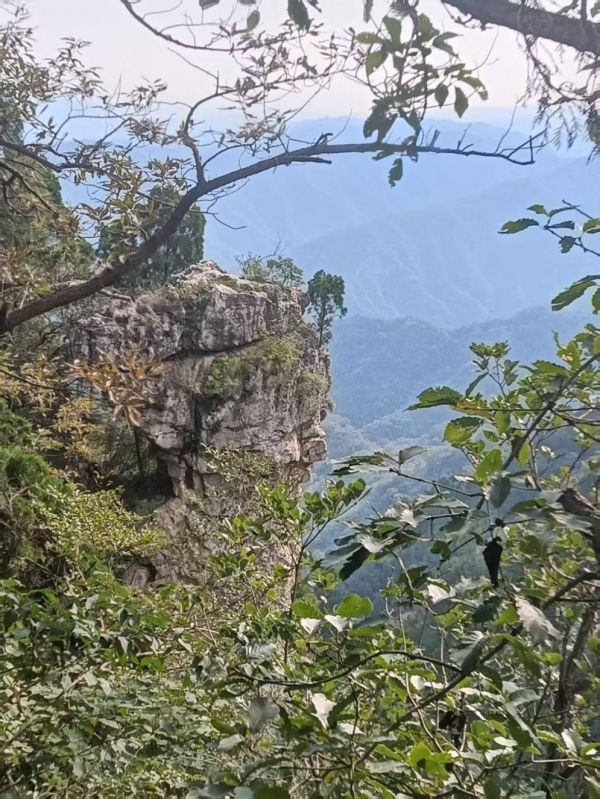
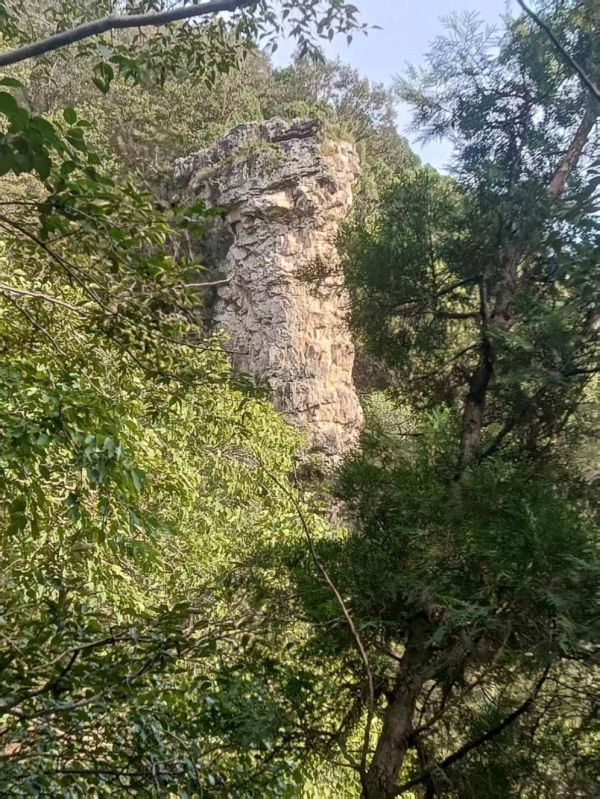
鸿门寺北山中的青龙峡东边,百佛洞(在百佛洞顶上有三架石梁同青龙峡西边马头山大东沟四周的四个寺院)云居寺、西河寺、净影寺与福禄寺组成三身四智体中圆的美妙的意境(四智在八十《华严经》中有美妙的阐述,其中加上药师法门为五智,在《华严经》五十一卷中有完整表述:山上四个寺院加上鸿门寺后九莲山正好为《华严经》谒:四生九有同蹬华藏玄门,八难三途共入毗卢性海的华严传承境界。西河寺曾有僧稠禅师及玄奘的高足窥基等高僧修行弘法。鸿门寺后的黄龙洞及周围环境也正好为女娲补天之天然境之发祥地。大乘寺的石柱沟的石柱及周围的山峦叠嶂的群峰天然凤凰的造型(此造型也是凫羲“凫”字的字形来源,大乘寺北面山的造型是“山”字的造型来源)。
鸿门寺在明末清初战乱中毁弃,据当地人说:过去寺院香火鼎盛,进香的人众多,如果在路上碰到刀山、剑戟拦路,人们都能从上面腾飞而过。传说:黄龙洞过去向外流的泉水很大,寺院几千人的生活都靠这股泉水养育。有一次,老和尚在神仙洞中(当年周汤王曾经带领他的家眷及众臣在这里祈雨无不灵验)打坐,忽然听见黄龙洞外的大水中有个女孩喊救命的呼喊声,老和尚发现后身体漂起来来到水上,把女孩救到岸边。在寺院的南边,如今还留有三位老和尚的坟。
据说:当时战乱快要来到,人们为保护三位圣僧的肉身,特地把他们从塔林里请到了这里。现在还留有一块明天顺年间圆寂的开山第一代宗长宽公大师的墓志铭。还发现有大宋宣和二年的大宋国的碑头一块。
过去鸿门寺寺院规模宏大,寺院的和尚傍晚关山门要骑马到墙南(苏蔺村),关门的人骑马回到住地天色就黑了。
To the east of Qinglong Gorge in the northern mountains of Hongmen Temple, the Hundred Buddha Cave (on top ch are three stone beams connecting to the four temples surrounding Dadaogou on Matushan to the west of Qinglong Gorge) forms a wonderful artistic conception of the "boderfect roundness" within the Three Bodies and Four Wisdoms (the Four Wisdoms are beautifully expounded in the 80-fascicle *AvatamSutra*; when the Medicine Buddha method is added, it becomes the Five Wisdoms, which are fully expressed in the 51st fascicle of the *Avatam Sutra*: the four temples on the mountain plus Hongmen Temple make up the Huayan tradition realm described in the verse: "The four births and nine abodes tread the mysterious gate ower Treasury, the eight difficulties and three paths enter the ocean of the nature of Vairocana." Xihesi Temple was once where the high monks such as Chan Mter Sengchou and Kuiji, a distinguished disciple of Xuanzang, practiced and propagated the Dharma. The Huanglong Cave behind Hongmen Temple and its surrounding environment arely the birthplace of the natural realm of Nüwa mending the sky. The stone pillars of Shizhugou at Dacheng Temple and the surrounding mountain peaks foural phoenix shape (this shape is also the source of the character form for "Fu" in Fuxi; the shape of the mountain north of Dacheng Temple is tource of the character form for "Mountain"). Hongmen Temple was destroyed during the wars at the end of the Ming Dynasty and the beginning of the Qing Dynasty. According to locals, themple used to have incense offerings in full swing with many pilgrims. If one encountered a mountain of knives or swords blocking the road, people could fly over them. Legend it that the spring water flowing out of Huanglong Cave used to be very large, supporting the livelihood of thousands of people in the temple. Once, while an old monk was meditg in the Immortal Cave (where King Zhou of the Shang Dynasty once led his family and ministers to pray for rain with unfailing results), he suddenly heard a girl's cries felp from the large body of water outside Huanglong Cave. The old monk's body floated up to the water and saved the girl to the shore. To the south of the templehe graves of three old monks remain today. It is said that when the war was about to arrive, people moved the bodies of the three holy monks here from the pagoda forest to rotect them. A tombstone of Master Kuan, the first founding abbot who passed away during the Ming Tianshun period, still remains. A Song Dynasty stele hm the second year of the Xuanhe era was also discovered. In the past, Hongmen Temple was on a grand scale. In the evening, the monks had to ride hto the south wall (Sulin Village) to close the mountain gate; by the time the gate-closer rode back to the residence, it was a
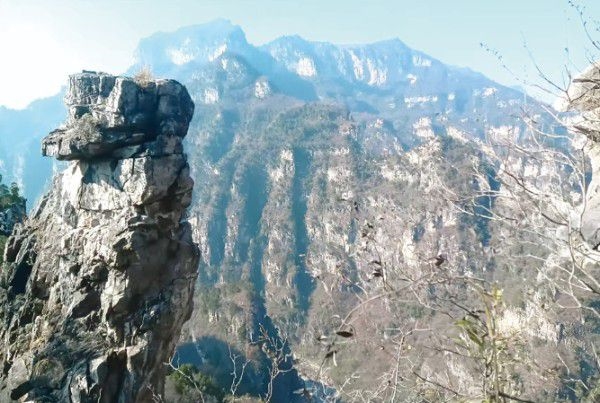
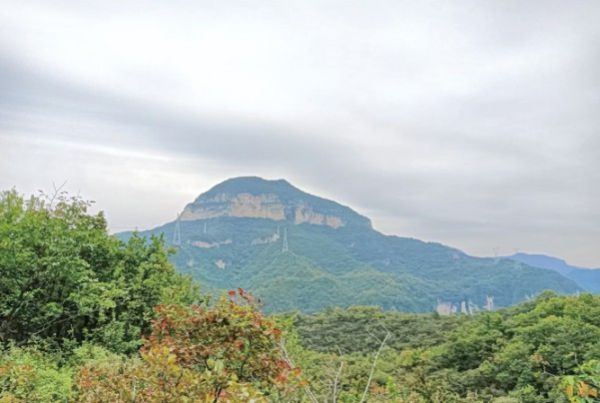
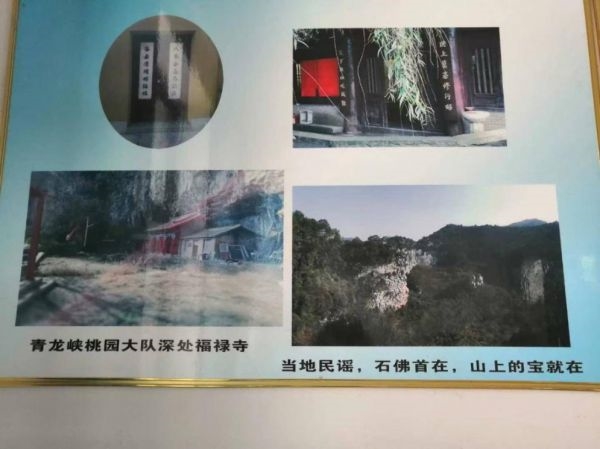
修武县东岭后之苍山,为亚洲之“亚”字的上边一横,青龙峡两边山体则构成了“亚”安左右边的两点,王屋山、神农山、清天河、静影寺等为亚洲的亚字的左边一点,大乘寺、云台山以及辉县的西莲(过去这一带都属于河内)为“亚”字右边的一点,九莲山及太行山外围之山为“亚”字的下边一横(大卧佛就镶嵌在其中),这样这里的山势地貌就构成了亚洲的“亚”字。鸿门寺后面的山体与云台山深处的大乘寺(善车寺)周边的山形地貌很好的组成了中国国名——震旦二字形成的来源。青龙峡西面的马头山及其大东河周围名圣古籍众多,其中朱华村北面的山体犹如一个大坐椅,上面山峰犹如坐着人。大东河西面的山沟中的福禄寺也叫“佛山福禄寺”。
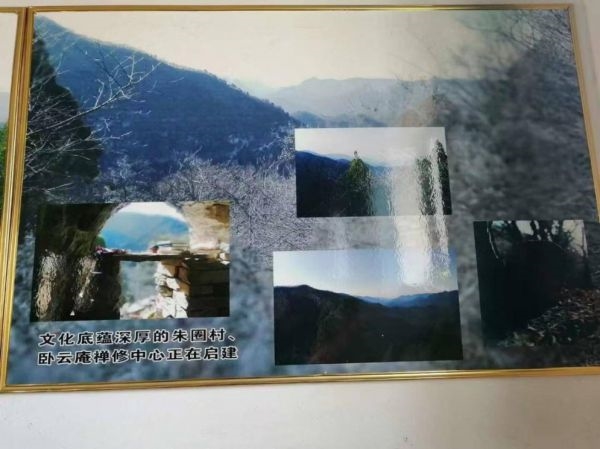
河南焦作市修武县云台山镇金山大乘寺,它是震旦震字形的原始出处,更是山字的原始出处,周围群山形势也是太极图的出处,山前为大乘寺,山背面和掌山(是寺院大雄宝殿前佛后菩薩来源),朱华村(朱圈村)周围山,是太极图的另一半,太极图中的两点,一个是这个石柱勾的这个石柱,另一个是朱华村山上的一个石坐椅,这是茶文化之源。这里也是儒字字形的来源。《唯识二十论》《唯识三十颂》《成唯识论》《因明正理门论》《正明入正理论》与《易经》深层代号一至,它们是《易经》在文明的教育教学方面的梵文化、文本化、印度化的极嘉在创造伟业!近二百年来西方把东方的古文明又从新用現代的理论体系再作了一编,创立了走向世界的新范式佛教!这是需要我们站在新的时代要高度重视的历史发展的新动向!
老子见孔子的接引村,孔子绕城的故事发生地孔庄,汉献帝陵,韩愈墓都在金山下。
山水就是文化。这些文化从来是佛学、儒学和道学互相融合、相互促进、共同发展的载体。慧远、僧稠、卜商、韩愈、李商隐、司马懿、朱载㻙、孙思邈等等皆其文化代表。
The Cang Mountain in Donglinghou of Xiuwu County forms the top horizontal stroke of the charater "Ya" (亞) in Asia, while the mountain bodies on both sides of Qinglong Gorge constitute the two dots on the left and right of the "Ya" character. Wangwu Moain, Shenong Mountain, Qingtian River, and Jingying Temple form the left dot of the "Ya" character, while Dacheng Temple, Yuntai Mountainnd Xilian of Huixian County (which used to belong to Henei) form the right dot. The Jiulian Mountain and the outer mountains of the Taihang Mountains form horizontal stroke of the "Ya" character (with the Great Reclining Buddha embedded within it). Thus, the topography here forms the character "Ya" of Asia. ountain body behind Hongmen Temple and the topography around Dacheng Temple (Shanchu Temple) in the depths of Yuntai Mountain well compose the source of the two aracters "Zhendan" (China's ancient name). To the west of Qinglong Gorge, Mount Matou and the area around the Da Dong River are rich in famous sacrlassics; the mountain body north of Zhuhua Village resembles a large armchair, with the peaks above looking like a person sitting on it. Fulu Temple in the mountain gorge we the Da Dong River is also known as "Foshan Fulu Temple". Jinshan Dacheng Temple in Yuntai Mountain Town, Xiuwu CouJiaozuo City, Henan Province, is the original source of the character shape of "Zhen" in "Zhendan" and the original source of the characShan" (mountain). The surrounding mountainous terrain is also the source of the Taiji diagram. The mountain front is Dacheng Temple, while the mountain back and Zhangshanhe source of the Buddha and Bodhisattva in front of the temple's Mahavira Hall) are the other half of the Taiji diagram. The two dots in the T diagram are one formed by this stone pillar hooking another stone pillar, and the other is a stone armchair on the mountain of Zhuhua Village (Zhuquan Village);s the source of tea culture. This is also the source of the character shape of "Ru" (Confucianism). The "Twenty Verses on the Theory of Consciouess-only," "Thirty Verses on the Theory of Consciousness-only," "Treatise on the Establishment of the Theory of Consciousness-only," "Treatise on the Correct oning of Hetuvidya," "Treatise on the Entrance to the Correct Reasoning," and the "I Ching" have consistent deep codes. They are the excellent creative achments of the Sanskritization, textualization, and Indianization of the "I Ching" in the educational and teaching aspects of civilization! In the past two hundred years, West has re-edited the ancient civilizations of the East using modern theoretical systems, establishing a new paradigm of Buddhism that is going global! This is a new trend in historical development thaed to attach great importance to in the new era! The village where Laozi met Confucius, Kongzhuang (the site of the story of Confucius ing the city), the Mausoleum of Emperor Xian of Han, and the tomb of Han Yu are all located under Jinshan Mountain. Landscape is culture. These cultures always been the carriers of the mutual integration, promotion, and common development of Buddhism, Confucianism, and Taoism. Huiyuan, Senou, Bu Shang, Han Yu, Li Shangyin, Sima Yi, Zhu Zaiyu, Sun Simiao, and others are representatives of t
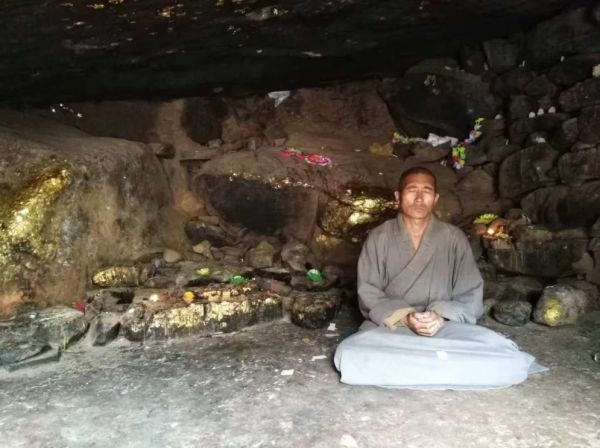
传说鸿门寺很早以前有一位得道高僧,在这里带这着很多弟子们修行成功,只有一个师傅非常留恋这个寺院,要求继续留下来,老师傅为了慈悲他,便给他留了一个小耳房,伴随着他在这里继续修行(神仙洞外边有一个自然形成的炉灶,青石锅台,沙石脸)。老和尚道行很高,由于有很多人吃饭为了赶时间,他将自己腿伸到火炉里,很快火着起来了,饭很快做好了,他把腿拨出来,腿还完好无缺。他有一天要出门去,他的一个刚发心修行的弟子问他:“他用什么烧饭”师父说“用腿”,弟子又问:“吃什么”,师父说:“吃石头”。出门多时后,师父来了,见弟子红光满面,法喜充满,师父知道弟子已经悟道了。
大卧佛下寺院众多,仿佛是一艘大帆船,卧佛脚下的鸿门寺就象竖立的巨帆,中站区的灵岩寺。嘉禾屯村的居德寺。
西王储村的寂照寺,恩村的普恩寺,墙南村的藏梅寺(又叫法明寺),田门村的普照寺,九里山的保安寺等,形成一艘巨大的渡人舟,此以南众多的寺院如灵泉寺,龙泉寺,玉泉寺等衬托着巨轮,这艘巨轮载育着整个中华文明文化发展史及太极文化的渊源,这是太行山的由来,是太行文化的由来,山阳古城的由来。也是弥勒净土的由来,是连山易的由来。是玄奘西行重要的精神源头(鸿门寺为玄奘西行出发地)。
Legend has it that long ago, there was an enlightened high monk at Hongmen Temple who led many disciples to successful cultivation. Oone monk was deeply attached to the temple and requested to stay behind. Out of compassion, the old master left him a small side room to continue his practice (outside the Im Cave, there is a naturally formed stove, a blue stone stove platform, and a sandstone face). The old monk possessed profound spiritual attainments. Because many people were eating and neto save time, he would stretch his leg into the stove, and the fire would ignite quickly, allowing the meal to be cooked rapidly. When he pulled his leg out, it rema intact. One day, when the master was about to leave, a disciple who had just begun cultivation asked him, "What do you use to cook?" The master replieMy leg." The disciple asked again, "What do you eat?" The master said, "Stones." After being away for a long time, the master returned and saw the disciple wit complexion, filled with spiritual joy. The master knew that the disciple had attained enlightenment. Beneath the Great Reclining Buddha, there are numerous temples resembling a large sg ship. Hongmen Temple at the foot of the Reclining Buddha is like a towering sail, while Lingyan Temple is in the Central Station area, and Juede Tempis in Jiahetun Village. Jizhao Temple in Xiwangchu Village, Puen Temple in En Village, Zangmei Temple (also called Faming le) in Qiangnan Village, Puzhao Temple in Tianmen Village, and Baoan Temple on Jiulishan, among others, form a huge ferry boat. the south of this, numerous temples such as Lingquan Temple, Longquan Temple, and Yuquan Temple serve as a backdrop for this giant vessel. This vessel carries the entire history of thevelopment of Chinese civilization and culture, as well as the origins of Tai Chi culture. This is the origin of the Taihang Mountains, the origin of Taihang culture, and torigin of Shanyang Ancient City. It is also the origin of the Maitreya Pure Land and the origin of the Lianshan Yi. It is an important spiritual rce for Xuanzang's journey to the West (Hongmen Temple was the departure point for Xuanzang's journey).
|

 Home > News >